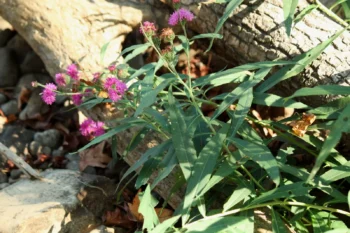
Arkansas Ironweed: A Prairie Powerhouse for Your Native Garden
Meet Arkansas ironweed (Vernonia arkansana), a delightfully robust native perennial that’s ready to add some serious late-season pizzazz to your garden. Don’t let the name fool you – this isn’t your typical backyard flower. This prairie native is a true showstopper that knows how to make an entrance when most other plants are calling it quits for the season.
What Makes Arkansas Ironweed Special?
Arkansas ironweed is a native perennial forb that belongs to the great family of plants we call wildflowers. As a forb, it’s essentially a non-woody plant that comes back year after year, ready to put on its annual purple spectacular. You might also see it listed under its scientific synonym, Vernonia crinita, but don’t let that confuse you – it’s the same wonderful plant.
Where Does It Call Home?
This native beauty has quite the range across the United States, naturally occurring in Arkansas, Illinois, Indiana, Kansas, Missouri, New York, Ohio, Oklahoma, and Wisconsin. That’s quite a geographical spread, which tells us this plant is pretty adaptable to different growing conditions across the central and eastern parts of the country.
- Species observed
- No observations
Why Your Garden (and Local Wildlife) Will Love It
Arkansas ironweed is like that reliable friend who shows up just when you need them most. While many plants are winding down in late summer and early fall, this beauty is just getting started with its stunning display of purple flowers. But the real magic happens when you consider what it does for local wildlife – butterflies, bees, and other pollinators absolutely adore these nectar-rich blooms.
Here’s what makes it a garden winner:
- Provides crucial late-season nectar when many other flowers have finished blooming
- Attracts butterflies, bees, and beneficial insects
- Adds vertical interest and structure to prairie and naturalized plantings
- Requires minimal maintenance once established
- Excellent for background plantings in larger garden spaces
Perfect Garden Spots for Arkansas Ironweed
This isn’t necessarily a front-and-center border plant – Arkansas ironweed really shines in naturalized settings where it can stretch its legs. Think prairie gardens, rain gardens, or the back of large perennial borders where it can provide a stunning backdrop for shorter plants. It’s particularly perfect for gardeners looking to create habitat-focused landscapes that support local wildlife.
Growing Conditions That Make It Happy
The great news about Arkansas ironweed is that it’s surprisingly flexible about where it grows. With a wetland status of facultative across all regions, this plant can handle both moist and moderately dry conditions. It’s equally content in a rain garden as it is in a regular garden bed, though it tends to prefer:
- Full sun to partial shade (though full sun typically produces the best flowering)
- Moist to moderately dry, well-draining soils
- USDA hardiness zones 4-8
- Space to grow – this isn’t a cramped container kind of plant
Planting and Care Tips
Arkansas ironweed is refreshingly low-maintenance once it gets established. Here’s how to set it up for success:
- Plant in spring after the last frost date
- Give it plenty of space – these plants like room to spread
- Water regularly the first year to help establish a strong root system
- After establishment, it’s quite drought tolerant
- Deadhead spent flowers if you don’t want it to self-seed (though the seeds provide food for birds)
- Cut back in late fall or early spring
Is Arkansas Ironweed Right for Your Garden?
Arkansas ironweed is an excellent choice for gardeners who want to support native wildlife while enjoying beautiful late-season color. It’s particularly perfect if you’re working with a larger space and want to create a naturalized area that looks great without requiring constant attention.
However, this might not be the plant for you if you’re working with a small, formal garden space or prefer plants that stay compact and contained. Arkansas ironweed likes to make a statement, and it needs room to do so properly.
For native plant enthusiasts looking to support local pollinators and create authentic prairie-style plantings, Arkansas ironweed is absolutely worth considering. It’s a true native that’s adapted to thrive in your local conditions while providing crucial habitat and food sources for wildlife. Plus, there’s something deeply satisfying about growing a plant that’s been thriving in your region for thousands of years – it’s like welcoming home an old friend.