Arkansas Oak: A Rare Native Treasure for Your Landscape
If you’re looking to add a piece of authentic Southern charm to your garden while supporting native wildlife, the Arkansas oak might just be your perfect match. This lesser-known native tree offers all the classic appeal of its more famous oak cousins, but with a unique story that makes it especially worth considering for the conservation-minded gardener.
Meet the Arkansas Oak
The Arkansas oak (Quercus arkansana) is a native deciduous tree that belongs to the white oak group. You might occasionally see it listed under its synonym, Quercus caput-rivuli, but don’t let the scientific names intimidate you – this is simply a charming Southern native that deserves more attention in home landscapes.
As a perennial woody plant, this oak typically grows as a single-trunked tree reaching 40-60 feet in height, though it can sometimes develop a multi-stemmed form under certain growing conditions. Its moderate size makes it more manageable than some of the massive oaks you might be familiar with.
Where You’ll Find Arkansas Oak Naturally
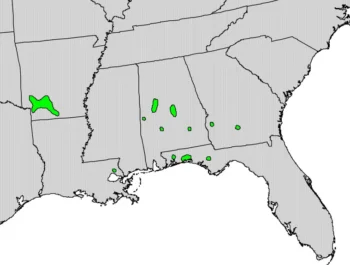
This oak calls the southeastern United States home, naturally occurring across Alabama, Arkansas, Florida, Georgia, Louisiana, Mississippi, and Texas. It’s particularly well-established in Arkansas (hence the name!) and thrives in the varied landscapes of the Gulf Coast region.
- Species observed
- No observations
A Word About Rarity
Here’s something important to know: Arkansas oak is considered vulnerable, with a global conservation status of S3. In Alabama and Arkansas, it’s even rarer with an S2 status. This means that while it’s not on the brink of extinction, it’s definitely not common and faces various pressures in the wild.
What does this mean for you as a gardener? If you choose to plant Arkansas oak, make sure you’re sourcing it responsibly from reputable native plant nurseries that propagate their own stock rather than collecting from wild populations. By growing this tree in your landscape, you’re actually contributing to its conservation!
Why Choose Arkansas Oak for Your Landscape?
There are several compelling reasons to consider this native beauty:
- Perfect size: At 40-60 feet tall, it’s substantial enough to provide good shade and visual impact without overwhelming smaller properties
- Native wildlife support: Like all oaks, it supports hundreds of native insect species, which in turn feed birds and other wildlife
- Seasonal interest: Offers attractive fall foliage in shades of yellow to brown
- Low maintenance: Once established, it’s quite drought tolerant and requires minimal care
- Conservation value: You’ll be helping preserve a vulnerable native species
Growing Conditions and Care
Arkansas oak is surprisingly adaptable, which makes it a great choice for many Southern gardens. Here’s what it prefers:
Climate: Hardy in USDA zones 6-9, making it suitable for most of the southeastern United States where it naturally occurs.
Light: Full sun to partial shade, though it performs best with at least 6 hours of direct sunlight daily.
Soil: Well-draining soil is key – it doesn’t like wet feet. It can handle various soil types but prefers slightly acidic to neutral pH.
Water: Moderate water needs when young, becoming quite drought tolerant once established (usually after 2-3 years).
Planting and Care Tips
When to plant: Fall or early spring are ideal planting times, giving the tree time to establish before extreme weather.
Spacing: Give your Arkansas oak plenty of room to grow – plant it at least 30-40 feet from structures and other large trees.
Initial care: Water regularly during the first growing season, but avoid overwatering. A 2-3 inch layer of mulch around the base helps retain moisture and suppress weeds.
Long-term maintenance: Once established, this oak is quite low-maintenance. Occasional pruning to remove dead or crossing branches is usually all that’s needed.
Perfect for These Garden Styles
Arkansas oak works beautifully in:
- Native plant gardens and naturalized landscapes
- Woodland gardens with dappled shade underneath
- Wildlife habitat gardens
- Larger residential properties needing a substantial shade tree
- Conservation-focused landscapes
Supporting Pollinators and Wildlife
While oaks are wind-pollinated (so they don’t produce showy flowers for bees), they’re absolute powerhouses for supporting native ecosystems. Arkansas oak hosts numerous native caterpillars and other insects, which become food for birds, especially during nesting season. The acorns it produces are also valuable food for squirrels, deer, and various bird species.
The Bottom Line
Arkansas oak is an excellent choice for gardeners who want to grow something truly special – a native tree that’s both beautiful and conservation-worthy. Yes, you’ll need to source it responsibly, and yes, you’ll need to be patient as it establishes (like most trees). But in return, you’ll get a distinctive native oak that supports local wildlife while adding authentic regional character to your landscape.
Just remember: when shopping for Arkansas oak, always ask your nursery about their sourcing practices. The best suppliers will be happy to tell you about their propagation methods and conservation efforts. Your thoughtful choice helps ensure this vulnerable native species has a brighter future.