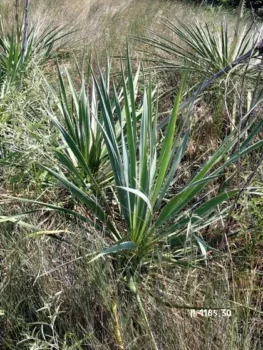
Arkansas Yucca: A Tough-as-Nails Native for Water-Wise Gardens
Looking for a plant that laughs in the face of drought and still manages to put on a spectacular flower show? Meet the Arkansas yucca (Yucca arkansana), a scrappy native that’s perfectly suited for gardeners who want maximum impact with minimal fuss. This underrated gem proves that sometimes the best garden performers are the ones that have been quietly thriving in our landscapes for centuries.
What Makes Arkansas Yucca Special?
Arkansas yucca is a perennial native plant that forms compact rosettes of narrow, sword-like leaves. Don’t let its modest size fool you – this little powerhouse produces stunning spikes of creamy white, bell-shaped flowers that can tower several feet above the foliage. It’s like having a natural sculpture in your garden that occasionally decides to throw a party.
As a forb (essentially a non-woody flowering plant), Arkansas yucca brings a unique texture and architectural element to gardens without the commitment of a large shrub or tree. Its growth habit makes it perfect for gardeners who want the dramatic look of desert plants but need something that can handle more temperate conditions.
Where Does It Come From?
This tough customer is native to the south-central United States, naturally occurring in Arkansas, Kansas, Missouri, Oklahoma, and Texas. It’s perfectly adapted to the challenging conditions of the Great Plains and Ozark regions, where hot summers, cold winters, and unpredictable rainfall are just part of life.
- Species observed
- No observations
Why Your Garden (and Local Wildlife) Will Love It
Arkansas yucca isn’t just a pretty face – it’s an ecological superstar. The flowers provide nectar for native bees and have a fascinating relationship with yucca moths, which are their exclusive pollinators. It’s like having a private nature documentary playing out in your backyard.
From a design perspective, this plant excels as:
- An accent plant in rock gardens
- A focal point in drought-tolerant landscapes
- A structural element in prairie restorations
- A low-maintenance addition to xeriscapes
Growing Arkansas Yucca: Less is More
The beauty of Arkansas yucca lies in its simplicity. This plant thrives in USDA hardiness zones 6-9, making it suitable for much of the central and southern United States. Here’s how to keep it happy:
Light: Full sun is non-negotiable. This plant wants at least 6-8 hours of direct sunlight daily.
Soil: Well-draining soil is absolutely critical. Arkansas yucca would rather be bone dry than sitting in soggy conditions. Sandy or rocky soils are ideal, but it will adapt to most soil types as long as drainage is excellent.
Water: Once established, this plant is incredibly drought tolerant. Water deeply but infrequently during the first growing season, then step back and let nature take over. Overwatering is the quickest way to kill an Arkansas yucca.
Planting and Care Tips
Spring is the best time to plant Arkansas yucca, giving it a full growing season to establish before winter. Here are some pro tips:
- Dig a hole twice as wide as the root ball but no deeper
- Mix in coarse sand or gravel if your soil tends to hold water
- Plant at the same depth it was growing in the container
- Water thoroughly after planting, then back off
- Mulch lightly with gravel or small stones rather than organic mulch
Maintenance is blissfully minimal. Remove spent flower stalks after blooming, and occasionally trim away any damaged leaves. That’s it – you’re done!
Is Arkansas Yucca Right for Your Garden?
Arkansas yucca is perfect for gardeners who want a native plant that’s both beautiful and bulletproof. It’s ideal if you’re dealing with hot, dry conditions, poor soil, or simply want a low-maintenance plant that won’t demand constant attention.
However, it might not be the best choice if you have heavy clay soil with poor drainage, a heavily shaded garden, or prefer plants that need regular watering and fussing. This is definitely a plant it and forget it kind of plant.
For those looking to create sustainable, water-wise gardens that support local wildlife, Arkansas yucca is a fantastic choice. It’s a testament to the beauty and resilience of native plants – tough enough to survive whatever nature throws at it, yet elegant enough to earn a place in any thoughtfully designed landscape.