Aromatic Aster: Your Garden’s Fall MVP
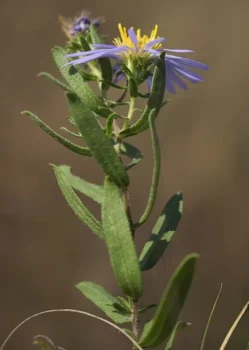
Meet the aromatic aster (Symphyotrichum oblongifolium), a native perennial that’s about to become your new favorite fall bloomer. While most flowers are calling it quits for the season, this hardy wildflower is just getting started, painting the landscape with clouds of tiny purple stars right when you need them most.
A True American Beauty
This delightful native forb calls the lower 48 states home, with an impressive range spanning 30 states from Alabama to Wyoming. You’ll find aromatic aster thriving everywhere from the Great Plains to the Eastern seaboard, making it one of North America’s most widespread and adaptable wildflowers.
- Species observed
- No observations
As a perennial member of the aster family, this plant has earned quite a few names over the years. Botanists have shuffled it around under various scientific names, but gardeners simply know it as the reliable fall bloomer that never lets them down.
Why Your Garden Needs Aromatic Aster
Picture this: it’s late September, your summer annuals are looking tired, and your garden feels like it’s winding down for the year. Then boom – your aromatic asters burst into bloom, covering themselves in masses of small, daisy-like flowers in shades of purple, lavender, and occasionally pink. Each flower sports a cheerful yellow center that practically glows in the autumn light.
But the real magic happens when you plant them in drifts. Individual plants can spread 2-3 feet wide, creating natural colonies that look like purple clouds floating across your landscape. It’s the kind of show-stopping display that makes neighbors slow down as they drive by.
Perfect for the Lazy (or Smart) Gardener
Here’s where aromatic aster really shines: it’s incredibly low-maintenance. Once established, this tough customer can handle:
- Drought conditions (goodbye, constant watering!)
- Various soil types, from clay to sandy
- Full sun exposure
- USDA hardiness zones 4-8
- General neglect (we won’t judge)
The only thing it really insists on is good drainage. Soggy feet will make this prairie native unhappy, but give it well-draining soil and it’ll reward you with years of reliable blooms.
Where to Plant Your Aromatic Aster
This versatile wildflower fits beautifully into several garden styles:
- Prairie gardens: Its natural habitat, where it looks completely at home
- Wildflower meadows: Creates stunning drifts of fall color
- Pollinator gardens: A critical late-season nectar source
- Naturalized areas: Perfect for that wild look that’s actually planned
- Mixed perennial borders: Provides structure and fall interest
Friends with Benefits (For Pollinators)
When most flowers have packed it in for the season, aromatic aster becomes a lifeline for butterflies, bees, and other pollinators preparing for winter. Monarchs especially appreciate this late-blooming buffet during their fall migration. You’re not just adding beauty to your garden – you’re providing essential ecosystem services.
Growing Tips and Fair Warnings
Planting aromatic aster is refreshingly simple. Just pop it in the ground in spring or fall, water it in, and step back. It grows 1-4 feet tall and spreads via underground rhizomes, so give it room to roam or be prepared to divide it every few years.
Speaking of spreading – this is both aromatic aster’s greatest strength and its one potential downside. In ideal conditions, it can be quite enthusiastic about making new plants. Some gardeners love this free multiplication, while others prefer to keep it contained. If you’re in the latter camp, simply divide clumps every 2-3 years or plant it where spreading is welcome.
The Bottom Line
Aromatic aster isn’t fussy, isn’t demanding, and isn’t going anywhere once you plant it. What it is, is a reliable native that delivers spectacular fall color, supports local wildlife, and asks for almost nothing in return. In a world of high-maintenance garden divas, sometimes the best choice is the one that just quietly does its job beautifully, year after year.
Ready to add some purple power to your fall garden? Your local pollinators (and your future self) will thank you.