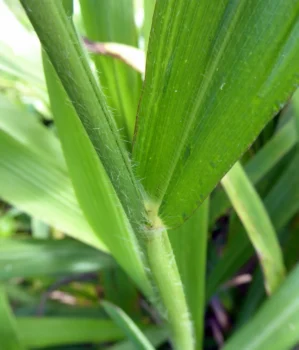
Arrocillo: A Tropical Grass for Warm Climate Gardens
If you’re gardening in a warm climate and looking for a low-maintenance grass that can handle various conditions, you might want to get acquainted with arrocillo (Paspalum paniculatum). This tropical grass brings a delicate, naturalized look to landscapes while being surprisingly adaptable to different growing situations.
What is Arrocillo?
Arrocillo, scientifically known as Paspalum paniculatum, is a perennial grass that forms attractive tufts with narrow leaves and delicate, branching seed heads. As a member of the grass family, it provides fine texture and movement to garden spaces. You might also find it listed under its botanical synonym, Paspalum umbrosum.
Where Does Arrocillo Come From?
This grass is native to Puerto Rico and the U.S. Virgin Islands, where it grows naturally in the tropical climate. However, it has established itself in other warm regions including Hawaii, Mississippi, and has naturalized in these areas without human assistance.
- Species observed
- No observations
Should You Plant Arrocillo in Your Garden?
The answer depends on where you live and what you’re trying to achieve in your landscape. Since arrocillo isn’t native to most of the continental United States, you might want to consider native grass alternatives first. However, if you’re in Puerto Rico or the Virgin Islands, this could be a great native choice for your garden.
Here are some things to consider:
- It’s well-suited for USDA hardiness zones 9-11
- Works well in naturalized areas and meadow-style gardens
- Can handle both wetland and upland conditions, though preferences vary by region
- Provides habitat structure, though it’s wind-pollinated so offers limited direct benefits to pollinators
Growing Conditions and Care
One of arrocillo’s strong points is its adaptability. This grass can thrive in full sun to partial shade and isn’t too picky about soil types. Its wetland status varies by region – in the Atlantic and Gulf Coastal Plain and Caribbean, it’s considered facultative (meaning it can grow in both wet and dry conditions), while in Hawaii it prefers upland, drier sites.
For successful growing:
- Plant in zones 9-11 for best results
- Provide full sun to partial shade
- Water regularly during establishment, then reduce as the plant matures
- Be aware that it may self-seed readily in favorable conditions
- Requires minimal maintenance once established
Landscape Design Ideas
Arrocillo works beautifully in several landscape scenarios. Its fine texture and naturalized appearance make it perfect for meadow gardens, tropical landscape designs, or as groundcover in larger spaces. The delicate seed heads add movement and interest, especially when planted in drifts or masses.
Native Alternatives to Consider
If you’re gardening outside of Puerto Rico or the Virgin Islands, consider looking for native grasses in your region that provide similar benefits. Native plants support local ecosystems better and are often better adapted to local growing conditions. Contact your local extension office or native plant society for recommendations specific to your area.
The Bottom Line
Arrocillo can be a useful addition to warm-climate gardens, especially if you’re looking for a low-maintenance grass that handles various conditions. Just remember to consider native alternatives first, and if you do plant arrocillo, keep an eye on its spreading habits to ensure it doesn’t outcompete desirable native plants in your area.