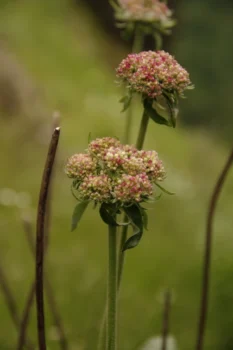
Arrowleaf Buckwheat: A Pacific Northwest Native Worth Growing
If you’re looking to add some authentic Pacific Northwest flair to your garden while supporting local wildlife, arrowleaf buckwheat (Eriogonum compositum var. compositum) might just be your new best friend. This charming native perennial brings both beauty and ecological benefits to gardens across the western United States.
What Makes Arrowleaf Buckwheat Special?
Arrowleaf buckwheat is a true native gem, naturally occurring in California, Idaho, Oregon, and Washington. As a perennial forb, it’s built to last, returning year after year without the fuss of replanting. The plant gets its common name from its distinctive arrow-shaped leaves that form attractive basal rosettes.
- Species observed
- No observations
What really makes this plant shine are its summer flower displays. Dense clusters of small, creamy white flowers appear on tall stems, creating an eye-catching contrast against the green foliage below. These blooms aren’t just pretty to look at – they’re magnets for pollinators including bees, butterflies, and other beneficial insects.
Why Gardeners Love Arrowleaf Buckwheat
There are plenty of reasons to fall for this Pacific Northwest native:
- Extremely drought tolerant once established
- Thrives in poor soils where other plants struggle
- Provides valuable food for pollinators
- Low maintenance and long-lived
- Adds authentic regional character to landscapes
- Works well in both formal and naturalized settings
Perfect Garden Companions
Arrowleaf buckwheat shines in several garden styles. It’s a natural choice for native plant gardens, where it can mingle with other regional favorites. Rock gardens benefit from its drought tolerance and interesting form, while wildflower meadows gain structure from its upright flower stems. The plant also works beautifully as a specimen in drought-tolerant landscapes or as background planting in mixed borders.
Growing Arrowleaf Buckwheat Successfully
The good news? This native is surprisingly easy to please. Arrowleaf buckwheat thrives in USDA hardiness zones 5-9, making it suitable for most temperate gardens in its native range.
Site Selection: Choose a spot with full sun and excellent drainage. This plant absolutely hates wet feet, so avoid low-lying areas or heavy clay soils that hold moisture.
Soil Requirements: Don’t worry about enriching the soil – arrowleaf buckwheat actually prefers lean, well-draining conditions. Sandy or rocky soils are perfect, and the plant will tolerate poor fertility better than rich, amended ground.
Planting Tips: Spring is the ideal planting time. Give plants adequate spacing to allow for their mature spread, and water gently until established. After the first growing season, supplemental watering should rarely be necessary.
Care and Maintenance
Once established, arrowleaf buckwheat is refreshingly low-maintenance. Here’s what you need to know:
- Water sparingly – only during extended dry periods in the first year
- Deadhead spent flowers to encourage additional blooms
- Avoid fertilizing, which can make plants weak and floppy
- Allow some flowers to go to seed if you want natural reseeding
- Cut back old foliage in late winter if desired
A Plant That Gives Back
Beyond its ornamental value, arrowleaf buckwheat serves as an important food source for native pollinators. By choosing this native over non-native alternatives, you’re supporting the insects, birds, and other wildlife that have evolved alongside these plants for thousands of years.
Whether you’re creating a water-wise garden, restoring habitat, or simply want to grow something uniquely suited to the Pacific Northwest, arrowleaf buckwheat offers beauty, resilience, and ecological benefits all rolled into one attractive package. Sometimes the best garden plants are the ones that have been thriving in your region all along.