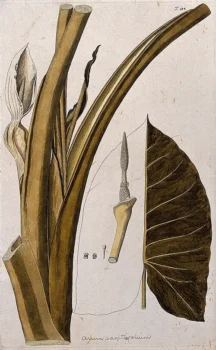
Arrowleaf Elephant’s Ear: A Bold Tropical Statement for Your Garden
Looking to add some serious tropical flair to your landscape? Meet the arrowleaf elephant’s ear (Xanthosoma sagittifolium), a striking perennial that brings dramatic foliage and exotic charm to gardens in warmer climates. With its distinctive arrow-shaped leaves and robust growth habit, this plant certainly knows how to make an entrance.
What Exactly Is Arrowleaf Elephant’s Ear?
Arrowleaf elephant’s ear is a perennial forb – essentially a non-woody herbaceous plant that dies back to the ground in winter but returns year after year in suitable climates. True to its name, the plant produces large, arrow-shaped (sagittate) leaves that can reach 12-18 inches in length, creating an impressive tropical display.
This species is native to Puerto Rico and the U.S. Virgin Islands, but has established itself in parts of the continental United States, particularly Florida and Texas, as well as several Pacific territories including Guam and Palau.
- Species observed
- No observations
Should You Plant Arrowleaf Elephant’s Ear?
The decision to grow this plant depends on your garden goals and location. Here are some key considerations:
The Case for Growing It:
- Creates instant tropical ambiance with bold, architectural foliage
- Thrives in wet conditions where many other plants struggle
- Low-maintenance once established in suitable conditions
- Works beautifully as a specimen plant or in group plantings
Things to Consider:
- Non-native to most of the continental U.S.
- Limited wildlife value compared to native alternatives
- Requires consistent moisture and warm temperatures
- May not survive winter in zones below 9
Native Alternatives to Consider:
If you’re looking for native plants with similar bold foliage, consider native arums, native sedges for wetland areas, or large-leafed native perennials suited to your specific region.
Growing Arrowleaf Elephant’s Ear Successfully
Climate and Hardiness
This tropical beauty thrives in USDA hardiness zones 9-11. In cooler areas, you can grow it as an annual or bring containers indoors during winter months.
Ideal Growing Conditions
- Light: Partial shade to full sun (morning sun with afternoon shade is often ideal)
- Soil: Consistently moist to wet, well-draining soil
- Moisture: High humidity and regular watering are essential
- Space: Allow adequate room for the large leaves to spread
Where to Plant It
Arrowleaf elephant’s ear is particularly well-suited for:
- Water gardens and bog areas
- Tropical or subtropical landscape designs
- Humid, shaded courtyards
- Container gardens (with consistent watering)
- Areas with poor drainage where other plants struggle
Planting and Care Tips
Getting Started
Plant in spring after the last frost date. Choose a location that stays consistently moist – this plant’s wetland status means it actually prefers what many gardeners would consider too wet conditions.
Ongoing Care
- Watering: Keep soil consistently moist; never allow to dry out completely
- Fertilizing: Feed monthly during growing season with balanced fertilizer
- Maintenance: Remove damaged or yellowing leaves regularly
- Winter care: In borderline zones, mulch heavily or lift and store tubers indoors
Wildlife and Pollinator Value
While arrowleaf elephant’s ear creates stunning visual impact, it offers limited benefits to pollinators and wildlife compared to native plant alternatives. The flowers are small and inconspicuous, and the plant doesn’t provide significant food sources for local fauna.
Final Thoughts
Arrowleaf elephant’s ear can be a showstopping addition to the right garden setting, particularly if you’re creating a tropical oasis or dealing with consistently wet conditions. However, consider balancing your landscape with native plants that support local ecosystems. When grown responsibly and in appropriate conditions, this dramatic foliage plant can certainly earn its place in the garden – just make sure you’re prepared to keep it happy with plenty of moisture and warmth!