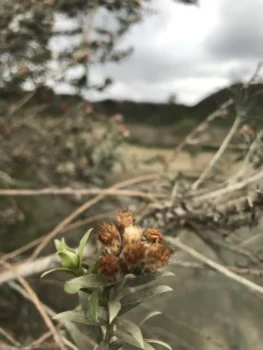
Arrowweed: The Unsung Hero of Southwestern Native Landscaping
If you’re looking for a tough-as-nails native shrub that laughs in the face of drought and provides year-round interest in your southwestern garden, let me introduce you to arrowweed (Pluchea sericea). This resilient perennial shrub might not have the showiest flowers in the desert, but what it lacks in glamour, it more than makes up for in reliability and ecological value.
What Exactly Is Arrowweed?
Arrowweed is a native perennial shrub that’s perfectly at home in the American Southwest. This multi-stemmed woody plant typically grows 4-5 feet tall, though it can reach up to 13-16 feet under ideal conditions. Don’t let its modest appearance fool you – this plant has been thriving in harsh desert conditions long before any of us thought about water-wise landscaping.
Where Does Arrowweed Call Home?
As a true native of the lower 48 states, arrowweed naturally occurs across Arizona, California, Nevada, New Mexico, Texas, and Utah. You’ll often find it growing wild along desert washes, riparian areas, and other spots where water occasionally flows – which gives us a big clue about how to use it in our gardens.
- Species observed
- No observations
Why Your Garden (Probably) Needs Arrowweed
Here’s where arrowweed really shines. This isn’t just another pretty face for your garden – it’s a workhorse with serious benefits:
- Drought Champion: Once established, arrowweed can handle extended dry periods like a champ
- Erosion Fighter: Its root system helps stabilize soil, making it perfect for slopes or areas prone to washing
- Pollinator Magnet: Small clusters of white to pinkish flowers attract butterflies, bees, and other beneficial insects
- Low Maintenance: This is definitely a plant it and forget it kind of shrub
- Year-Round Interest: Silvery-gray foliage provides textural contrast throughout the seasons
Perfect Garden Spots for Arrowweed
Arrowweed isn’t trying to be the star of your formal rose garden, and that’s perfectly fine. This shrub excels in:
- Xeriscape and water-wise landscapes
- Native plant gardens
- Naturalized or wild areas
- Riparian restoration projects
- Erosion control plantings
- Background plantings where you need reliable green structure
Growing Arrowweed Successfully
The beauty of arrowweed lies in its simplicity. This plant thrives in USDA hardiness zones 8-10 and asks for very little:
Sun Requirements: Full sun is best, though it can tolerate some light shade
Soil Needs: Arrowweed is remarkably adaptable to poor soils and actually prefers sandy or gravelly conditions that drain well
Water Wisdom: Here’s the interesting part – arrowweed has a facultative wetland status in most regions, meaning it usually grows in wetlands but can handle drier conditions too. In your garden, provide regular water the first year, then cut back significantly once established
Planting and Care Tips
Getting arrowweed established is refreshingly straightforward:
- Planting Time: Spring or fall when temperatures are moderate
- Initial Care: Water regularly the first growing season to establish roots
- Long-term Maintenance: Minimal water once established – seriously, this plant prefers being ignored
- Pruning: Light pruning to maintain shape if desired, but it’s not necessary
- Spread Alert: Arrowweed can spread via underground stems, so give it room or be prepared to manage its wandering tendencies
A Few Things to Consider
While arrowweed is generally well-behaved, there are a couple of things to keep in mind. It can spread through underground rhizomes, so it might pop up in unexpected places – think of it as nature’s way of filling in gaps. Also, while the flowers are lovely up close, they’re not going to stop traffic from across the street.
The Bottom Line on Arrowweed
Arrowweed might not be the flashiest plant in the nursery, but it’s exactly the kind of reliable, native shrub that forms the backbone of successful southwestern gardens. If you’re working with challenging conditions, need something for erosion control, or just want a plant that won’t demand constant attention, arrowweed deserves a spot on your list. Plus, the pollinators will thank you, and isn’t that worth something?
Sometimes the best garden additions are the ones that quietly do their job while everything else gets the attention. Arrowweed is definitely one of those plants – and your water bill will appreciate it too.