Arthonia cinnabarina: The Cinnamon-Colored Lichen That Signals a Healthy Garden
Have you ever noticed small, crusty patches with reddish-brown spots adorning the bark of your mature trees? You might be looking at Arthonia cinnabarina, a fascinating lichen that’s more than just a pretty face on your garden’s tree trunks. This native North American species is like nature’s air quality monitor, quietly telling you that your garden ecosystem is thriving.
What Exactly Is Arthonia cinnabarina?
Before we dive deeper, let’s clear up what this organism actually is. Arthonia cinnabarina isn’t a plant in the traditional sense – it’s a lichen, which is essentially a partnership between a fungus and an algae living together in perfect harmony. Think of it as nature’s ultimate roommate situation, where both partners benefit from the arrangement.
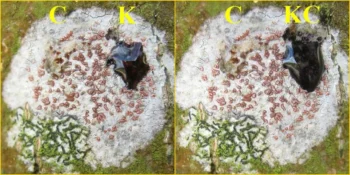
This particular lichen forms thin, crusty patches on tree bark, decorated with distinctive cinnamon to reddish-brown fruiting bodies called apothecia. These colorful spots are what give the lichen its species name cinnabarina, which refers to the warm, spicy color reminiscent of cinnamon bark.
Where You’ll Find This Native Beauty
Arthonia cinnabarina is native to North America, particularly thriving in the eastern regions where deciduous forests create the perfect conditions. You’re most likely to spot it in temperate areas with mature forest ecosystems, where it happily colonizes the bark of various hardwood trees.
Why This Lichen Is Actually Great News for Your Garden
Here’s where things get exciting for garden enthusiasts: finding Arthonia cinnabarina in your landscape is like receiving a gold star for environmental stewardship. Lichens are incredibly sensitive to air pollution, so their presence indicates that your garden enjoys clean, healthy air quality.
While this lichen won’t attract pollinators (lichens don’t produce flowers), it does contribute to your garden’s biodiversity in subtle but important ways:
- Serves as a microhabitat for tiny insects and mites
- Indicates a mature, stable ecosystem
- Adds natural texture and color variation to tree bark
- Functions as an air quality indicator
How to Identify Arthonia cinnabarina
Spotting this lichen is easier once you know what to look for. Keep an eye out for these characteristics:
- Thin, crusty patches that seem to melt into the tree bark
- Distinctive cinnamon to reddish-brown fruiting bodies
- Preference for smooth-barked hardwood trees
- Typically found in shaded, humid areas of your garden
Creating Conditions Where Lichens Thrive
You can’t exactly plant lichens like you would a flower or shrub, but you can certainly encourage their natural appearance in your garden. Here’s how to create a lichen-friendly environment:
- Maintain mature trees, especially native hardwoods
- Avoid using chemical pesticides and fertilizers near trees
- Preserve areas of natural shade and moderate humidity
- Allow natural leaf litter to remain around tree bases
- Choose native plants that support overall ecosystem health
The Patience Game
If you’re hoping to see Arthonia cinnabarina in your garden, remember that lichens operate on geological time. They grow incredibly slowly – we’re talking millimeters per year. This means that finding established lichen communities is a sign that your garden has been environmentally stable for quite some time.
A Living Testament to Your Garden’s Health
The next time you’re strolling through your garden and notice those cinnamon-colored spots on your tree bark, take a moment to appreciate what you’re seeing. Arthonia cinnabarina and its lichen relatives are living proof that your outdoor space is more than just aesthetically pleasing – it’s a thriving, healthy ecosystem.
These remarkable organisms remind us that sometimes the most valuable garden residents are the ones we never planned to invite. They arrive on their own schedule, set up housekeeping when conditions are just right, and serve as gentle reminders that the best gardens work in harmony with nature rather than against it.