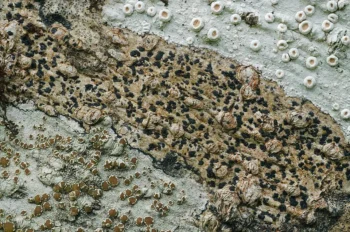
Discovering Arthonia ilicina: A Tiny Lichen Making a Big Difference in Your Garden
Have you ever noticed thin, grayish-white patches growing on the bark of trees in your yard? You might be looking at Arthonia ilicina, a fascinating little lichen that’s been quietly doing important work in North American forests and gardens for centuries. While you can’t plant this one like your typical garden flower, understanding what it is and why it matters can deepen your appreciation for the incredible diversity of life thriving right in your backyard.
What Exactly Is Arthonia ilicina?
Arthonia ilicina is what scientists call a crustose lichen – essentially a partnership between a fungus and algae that forms thin, crusty patches directly on tree bark. Think of it as nature’s own living paint, creating subtle textures and colors that add character to the trees in your landscape. This lichen is native to North America and has been part of our natural ecosystems for thousands of years.
You might also see this species referred to by its scientific synonym, Arthothelium ilicinum, in older field guides or research papers, but Arthonia ilicina is the currently accepted name.
Where You’ll Find This Native Lichen
Arthonia ilicina calls eastern North America home, with populations scattered throughout the northeastern United States and southeastern Canada. It’s particularly fond of deciduous trees and has adapted to thrive in the varied climates of this region.
Spotting Arthonia ilicina in Your Garden
Identifying this lichen takes a bit of practice, but here’s what to look for:
- Thin, grayish-white crustal patches that seem painted onto tree bark
- Smooth, flat appearance that follows the contours of the bark
- Small size – individual patches are typically just a few inches across
- Preference for deciduous trees over evergreens
- Often found alongside other lichen species
The key is looking closely at the bark of your trees, especially older specimens. These lichens blend in so well that they’re easy to overlook until you know what you’re searching for.
Is Arthonia ilicina Good for Your Garden?
Absolutely! While you might not think much about these tiny organisms, lichens like Arthonia ilicina are actually garden superstars in disguise. Here’s why you should celebrate finding them on your trees:
- Air quality indicators: Lichens are sensitive to air pollution, so their presence suggests your garden enjoys relatively clean air
- Ecosystem health: They’re part of a healthy, functioning ecosystem and indicate biodiversity
- No harm to trees: Despite growing on bark, lichens don’t damage or parasitize trees – they’re just using the surface as a home
- Natural beauty: They add subtle texture and visual interest to tree trunks
Creating Lichen-Friendly Conditions
While you can’t plant Arthonia ilicina like a typical garden plant, you can create conditions that encourage lichens to thrive naturally:
- Avoid using harsh chemicals or fungicides near trees
- Maintain good air circulation around trees
- Keep mature trees healthy through proper care
- Be patient – lichens grow very slowly and establish over many years
The Bottom Line
Arthonia ilicina might not be the showstopper of your garden, but it’s a wonderful indicator that your outdoor space is supporting native biodiversity. Instead of trying to remove these harmless lichens, consider them a sign that you’re doing something right. They’re proof that your garden is part of a larger, healthier ecosystem – and that’s something worth celebrating!
Next time you’re walking through your garden, take a moment to appreciate these tiny but mighty organisms quietly going about their business on your trees. They’ve been here much longer than any of us, and with a little care and respect, they’ll continue to be part of North America’s natural heritage for generations to come.