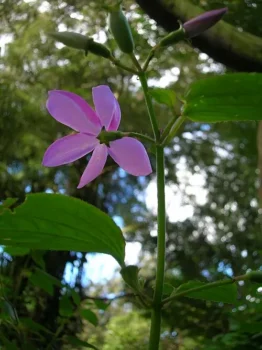
Arthrostemma: A Tropical Perennial with Delicate Beauty
If you’re looking to add a touch of tropical charm to your garden, you might have stumbled across arthrostemma (Arthrostemma). This lesser-known perennial brings subtle beauty to warm-climate gardens, though it comes with some important considerations for environmentally conscious gardeners.
What is Arthrostemma?
Arthrostemma is a perennial plant that belongs to the Melastomataceae family, known for producing small, delicate flowers in shades of pink to purple. These charming blooms sit atop plants with distinctively veined, often fuzzy leaves that add textural interest even when the plant isn’t flowering.
Where Does Arthrostemma Come From?
Here’s where things get interesting from a native gardening perspective. Arthrostemma is native to Puerto Rico, where it naturally occurs as part of the local ecosystem. However, it has also established itself in Hawaii, where it’s considered a non-native species that has naturalized in the wild. This means it can reproduce and persist without human intervention in Hawaiian environments.
Currently, you’ll find arthrostemma growing in Hawaii and Puerto Rico, representing both its introduced and native ranges respectively.
- Species observed
- No observations
Should You Plant Arthrostemma?
The answer depends on where you’re gardening and your priorities as a native plant enthusiast. If you’re gardening in Puerto Rico, you’re working with a legitimate native species that supports local ecosystems. However, if you’re elsewhere, particularly in areas with similar tropical climates, you might want to consider native alternatives first.
While arthrostemma isn’t currently listed as invasive, its ability to naturalize in Hawaii suggests it’s quite adaptable. This adaptability, while making it potentially easier to grow, also means it could potentially spread beyond cultivation in suitable climates.
Garden Role and Landscape Use
When thoughtfully used, arthrostemma can serve as an understory plant or border addition in tropical and subtropical gardens. Its relatively compact size and attractive foliage make it suitable for:
- Tropical themed gardens
- Humid, warm-climate landscapes
- Areas with filtered light or partial shade
- Gardens focused on textural diversity
Growing Conditions and Care
If you decide to grow arthrostemma, it thrives in conditions that mimic its tropical origins:
- Light: Partial shade to filtered sunlight
- Soil: Moist, well-draining soil rich in organic matter
- Climate: USDA zones 9-11 (frost-sensitive)
- Humidity: High humidity levels preferred
- Water: Consistent moisture without waterlogging
Planting and Maintenance Tips
Growing arthrostemma successfully means creating a little tropical microclimate:
- Plant in locations protected from harsh direct sunlight
- Maintain consistent soil moisture, especially during dry periods
- Mulch around plants to retain moisture and regulate soil temperature
- Provide protection from cold winds and frost
- Minimal pruning is typically needed
Wildlife and Pollinator Benefits
The small flowers of arthrostemma can attract pollinators like bees and butterflies, though specific wildlife benefits may vary depending on your local ecosystem and whether native species provide better support for local fauna.
The Bottom Line
Arthrostemma can be an attractive addition to tropical gardens, particularly for gardeners in its native Puerto Rico. However, if you’re gardening elsewhere, especially in tropical or subtropical zones, consider exploring native alternatives first. Many regions have beautiful native species that offer similar aesthetic appeal while providing superior ecological benefits.
If you do choose to grow arthrostemma, be a responsible gardener by preventing its spread beyond your intended planting area and monitoring it for signs of aggressive growth or self-seeding.