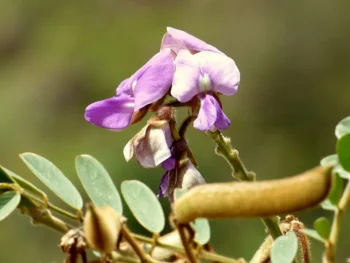
Ashen Hoarypea: A Caribbean Native Worth Considering
If you’re looking for something a little different in your garden, the ashen hoarypea (Tephrosia cinerea) might catch your eye. This perennial herb brings a touch of Caribbean charm to warmer climates, though it’s not your typical garden center find.
What Exactly Is Ashen Hoarypea?
Ashen hoarypea is a member of the legume family, scientifically known as Tephrosia cinerea. You might also see it listed under its older name, Cracca cinerea. As a forb herb, it’s a non-woody perennial that stays relatively close to the ground – think of it as the plant world’s version of a low-maintenance friend who’s always reliable but never flashy.
Where Does It Come From?
This little plant calls the Caribbean home, specifically Puerto Rico, the U.S. Virgin Islands, and Navassa Island. In the continental United States, it’s considered non-native but has naturalized in Alabama, where it reproduces on its own without any human help.
- Species observed
- No observations
Should You Plant It?
Here’s the thing about ashen hoarypea – it’s neither a garden superstar nor a problematic invader. It falls into that middle ground of interesting but not essential. Since it’s not native to most of the U.S., you might want to consider native alternatives first, especially if you’re trying to support local wildlife and ecosystems.
What Does It Look Like?
Like other plants in the Tephrosia family, ashen hoarypea produces small, pea-like flowers that typically range from purple to pink. The blooms aren’t going to stop traffic, but they have a subtle charm that works well in naturalized settings or tropical-themed gardens.
Growing Conditions and Care
If you do decide to give ashen hoarypea a try, here’s what you should know:
- Climate: Best suited for USDA hardiness zones 9-11 (think Florida, southern Texas, Hawaii)
- Sunlight: Likely prefers full sun to partial shade
- Soil: Well-draining soil is probably your best bet
- Water: Once established, it should be fairly drought-tolerant
- Maintenance: Minimal care required – it’s pretty self-sufficient
Garden Role and Design Ideas
Ashen hoarypea works best as a ground cover or understory plant in tropical and subtropical gardens. It’s not going to be your showstopper centerpiece, but it can fill in spaces nicely and add texture to naturalized areas.
Wildlife Benefits
As a legume, ashen hoarypea likely attracts bees and possibly butterflies, though specific pollinator relationships for this species aren’t well-documented. The plant also helps fix nitrogen in the soil, which can benefit neighboring plants.
Consider Native Alternatives
Before you hunt down ashen hoarypea, consider exploring native legumes in your area. Native plants typically offer better support for local wildlife and are often easier to grow since they’re already adapted to your local conditions.
The Bottom Line
Ashen hoarypea is one of those plants that won’t make or break your garden. It’s not invasive, so you don’t need to worry about it taking over, but it’s also not going to provide the wildlife benefits that a native plant would. If you’re specifically creating a Caribbean-themed garden or you’ve stumbled across some seeds and are curious, go ahead and give it a try. Just remember that there are probably some amazing native alternatives that would serve your garden – and local ecosystem – even better.