Ashen Milkvetch: A Hardy Native Gem for Desert Gardens
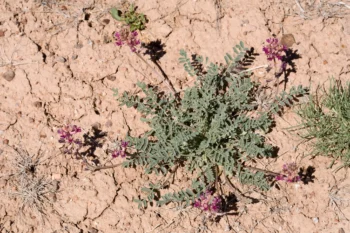
If you’re looking for a tough-as-nails native plant that can handle the heat and still put on a charming floral show, let me introduce you to ashen milkvetch (Astragalus tephrodes var. tephrodes). This unassuming perennial might not win any flashy flower contests, but it’s exactly the kind of reliable, low-maintenance plant that makes desert gardening a joy rather than a chore.
What Makes Ashen Milkvetch Special?
Ashen milkvetch is a true native of the American Southwest, calling Arizona and New Mexico home. As a member of the legume family, this hardy perennial has some pretty neat tricks up its sleeve – including the ability to actually improve your soil by fixing nitrogen from the air. Pretty clever for such a modest little plant!
The name ashen comes from the plant’s somewhat grayish-green foliage, which helps it conserve water in harsh desert conditions. Don’t let the humble appearance fool you though – when blooming season arrives, this milkvetch produces clusters of small, pea-like flowers in shades of purple to pink that are absolutely delightful.
- Species observed
- No observations
Why Your Garden (and Local Wildlife) Will Love It
Here’s where ashen milkvetch really shines – it’s like a little oasis for pollinators in the desert landscape. Native bees and butterflies are particularly fond of its blooms, making it an excellent choice for anyone wanting to support local wildlife. Since it’s adapted to tough conditions, it blooms reliably even during challenging weather.
From a garden design perspective, ashen milkvetch works beautifully as:
- Ground cover in rock gardens
- A naturalizing element in wildflower meadows
- Part of a drought-tolerant border
- An accent plant in xeriscape designs
Growing Ashen Milkvetch Successfully
The best news about ashen milkvetch? It practically grows itself once you get it established. This plant thrives in USDA hardiness zones 7-9, making it perfect for much of the Southwest and similar climates.
Perfect Growing Conditions
Think desert native and you’ll have the right idea:
- Sunlight: Full sun is ideal – this plant loves soaking up those rays
- Soil: Well-draining soil is absolutely essential; soggy roots are this plant’s kryptonite
- Water: Drought-tolerant once established, but appreciates occasional deep watering during extreme heat
- Soil type: Adapts well to sandy, rocky, or clay soils as long as drainage is good
Planting and Care Tips
Getting started with ashen milkvetch is refreshingly straightforward. Plant in fall or early spring when temperatures are moderate. Give new plants a bit of extra water their first season to help them get established, then step back and let them do their thing.
The beauty of this native is that it requires virtually no maintenance once settled in. No need for fertilizers (remember, it makes its own nitrogen!), and pruning is optional – though you can deadhead spent flowers if you prefer a tidier look.
One delightful surprise: ashen milkvetch may self-seed in favorable conditions, gradually creating natural-looking drifts in your garden. If you’re not keen on volunteers, simply remove spent flower heads before seeds mature.
Is Ashen Milkvetch Right for Your Garden?
This native charmer is perfect if you’re looking for a low-water, low-maintenance plant that supports local wildlife. It’s especially ideal for gardeners in the Southwest who want to work with their natural climate rather than against it.
However, if you’re expecting a showstopper with enormous, brilliant flowers, you might want to look elsewhere. Ashen milkvetch is more about quiet beauty and ecological benefits than dramatic garden statements.
For gardeners committed to native plants and sustainable landscaping, ashen milkvetch represents everything wonderful about working with nature – it’s tough, beautiful in its own subtle way, and plays an important role in supporting local ecosystems. Plus, there’s something deeply satisfying about growing a plant that’s perfectly adapted to call your region home.