Ashe’s Magnolia: A Rare Florida Native Worth Protecting in Your Garden
If you’re looking for a showstopper that’s also a conservation hero, meet Ashe’s magnolia (Magnolia ashei). This remarkable native shrub is like the botanical equivalent of a rare gem – beautiful, unique, and desperately in need of our help to survive.
What Makes Ashe’s Magnolia Special?
Ashe’s magnolia goes by the scientific name Magnolia ashei, though you might occasionally see it listed under its synonyms Magnolia macrophylla ssp. ashei or Magnolia macrophylla var. ashei. Whatever you call it, this perennial woody shrub is truly one-of-a-kind.
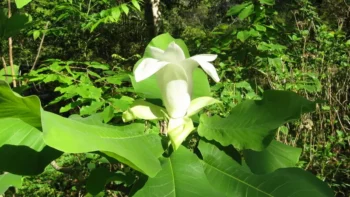
What sets this magnolia apart? Picture flowers the size of dinner plates – we’re talking 6 to 12 inches across – blooming in pristine white with an intoxicating fragrance. Then there are the leaves: enormous heart-shaped beauties that can stretch up to 32 inches long. It’s like nature decided to super-size everything about this plant!
Where Does Ashe’s Magnolia Come From?
This magnolia is a true Florida original, native exclusively to the northwestern panhandle of the Sunshine State. You won’t find it growing wild anywhere else in the world, making it what botanists call an endemic species.
- Species observed
- No observations
A Plant in Peril
Here’s where things get serious: Ashe’s magnolia has a Global Conservation Status of S2, meaning it’s imperiled due to extreme rarity. With typically only 6 to 20 known occurrences and fewer than 1,000 to 3,000 individuals remaining in the wild, this magnificent plant is hanging on by a thread.
This is exactly why responsible gardeners should consider growing Ashe’s magnolia – but only when sourced from reputable native plant nurseries or conservation programs. Never collect from wild populations!
Growing Ashe’s Magnolia: What You Need to Know
As a shrub, Ashe’s magnolia typically grows as a multi-stemmed woody plant reaching 13 to 16 feet in height, though it can sometimes grow taller or remain single-stemmed depending on conditions.
Perfect Growing Conditions
This rare beauty thrives in USDA hardiness zones 8b through 9a, so it’s best suited for gardeners in warmer climates. Here’s what Ashe’s magnolia needs to flourish:
- Moist, well-drained acidic soil
- Partial shade to dappled sunlight
- Protection from strong winds (those huge leaves can be vulnerable)
- Consistent moisture without waterlogging
According to its wetland status, Ashe’s magnolia is classified as Facultative Upland, meaning it usually prefers non-wetland conditions but can tolerate some moisture.
Caring for Your Ashe’s Magnolia
The good news? This native doesn’t demand much fussing once established. Here are the key care tips:
- Water consistently, especially during dry spells
- Mulch around the base to retain moisture and suppress weeds
- Avoid heavy pruning – this plant prefers its natural form
- Choose a sheltered location protected from harsh winds
Garden Design and Landscape Role
Ashe’s magnolia works best as a specimen plant where its dramatic flowers and oversized leaves can truly shine. It’s perfect for:
- Woodland gardens with filtered light
- Native plant collections
- Conservation-focused landscapes
- Botanical gardens and arboreta
Wildlife and Pollinator Benefits
Like other magnolias, Ashe’s magnolia offers nectar and pollen to various pollinators, particularly beetles, which are among the oldest pollinators of magnolia species. By growing this rare native, you’re providing habitat for Florida’s native wildlife while helping preserve genetic diversity.
Should You Plant Ashe’s Magnolia?
If you live in zones 8b-9a and can provide the right growing conditions, absolutely – but with one crucial caveat. Only obtain plants from reputable sources that propagate from ethically collected seeds or cuttings, never from wild-harvested plants. Many botanical gardens and specialized native plant nurseries participate in conservation efforts for rare species like this one.
By growing Ashe’s magnolia in your garden, you become part of a conservation effort to preserve one of Florida’s most endangered native plants. It’s gardening with a purpose – and the spectacular blooms are just the bonus!
Remember: every responsibly grown Ashe’s magnolia represents hope for this species’ survival. Now that’s what we call meaningful gardening.