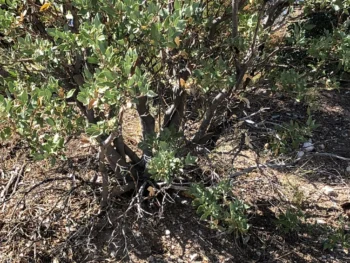
Ashy Silktassel: A Drought-Tolerant Native Shrub for Southwestern Gardens
If you’re looking for a low-maintenance, drought-tolerant shrub that brings year-round interest to your garden, meet the ashy silktassel (Garrya flavescens). This unsung hero of the American Southwest might just be the perfect addition to your water-wise landscape.
What is Ashy Silktassel?
Ashy silktassel is a native evergreen shrub that calls the southwestern United States home. As a perennial woody plant, it typically grows as a multi-stemmed shrub reaching 4-5 meters (13-16 feet) in height, though it can sometimes surprise you by growing taller or developing a single trunk under the right conditions.
This hardy native grows naturally across Arizona, California, Nevada, New Mexico, and Utah, where it has adapted beautifully to the region’s challenging climate conditions.
- Species observed
- No observations
Why Plant Ashy Silktassel in Your Garden?
There are plenty of compelling reasons to consider this native beauty for your landscape:
- Drought tolerance: Once established, this shrub thrives with minimal water
- Year-round interest: Evergreen foliage provides consistent structure and color
- Unique winter display: Distinctive drooping catkins (the silktassels) appear in winter and early spring
- Wildlife value: Early-blooming catkins provide important nectar for pollinators when few other plants are flowering
- Low maintenance: Requires little care once established
- Native plant benefits: Supports local ecosystems and wildlife
Garden Design and Landscape Use
Ashy silktassel shines in several garden settings:
- Xeriscaping: Perfect for water-wise landscapes
- Native plant gardens: Fits beautifully with other southwestern natives
- Wildlife gardens: Provides early-season pollinator support
- Naturalistic landscapes: Creates an authentic regional feel
- Background plantings: Excellent as a backdrop for smaller plants
Growing Conditions and Care
One of the best things about ashy silktassel is how easy it is to grow once you understand its preferences:
Light: Thrives in full sun to partial shade
Soil: Well-draining soil is essential – this plant won’t tolerate soggy conditions
Water: Drought-tolerant once established, requiring minimal supplemental irrigation
Hardiness: Suitable for USDA zones 7-10
Planting and Care Tips
Getting your ashy silktassel off to a good start is straightforward:
- Best planting time: Fall planting allows roots to establish before summer heat
- Soil preparation: Ensure excellent drainage – amend heavy clay soils if necessary
- Watering: Water regularly the first year, then reduce to occasional deep watering
- Pruning: Minimal pruning needed – just remove dead or damaged branches
- Fertilizing: Generally unnecessary in native soils
A Note About Conservation
While not critically endangered, ashy silktassel has a conservation status that suggests some populations may be of concern. When purchasing plants, choose nurseries that source their stock responsibly from cultivated plants rather than wild-collected specimens. This helps protect wild populations while still allowing you to enjoy this wonderful native in your garden.
The Bottom Line
Ashy silktassel offers southwestern gardeners a winning combination of low maintenance, drought tolerance, and ecological benefits. If you’re creating a water-wise garden that supports local wildlife, this native shrub deserves serious consideration. Its unique winter catkins and evergreen foliage provide year-round interest, while its easy-going nature makes it perfect for both novice and experienced gardeners.
Ready to add some southwestern charm to your landscape? Ashy silktassel might just be the drought-tolerant hero your garden has been waiting for.