Ashy Sunflower: A Prairie Beauty That Brings Joy to Your Garden
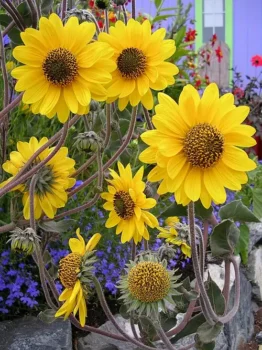
Meet the ashy sunflower (Helianthus mollis), a charming native wildflower that’s ready to add some sunny disposition to your garden! This delightful perennial brings all the cheerful energy of its famous cousin, the common sunflower, but in a more manageable, garden-friendly package.
What Makes Ashy Sunflower Special?
The ashy sunflower gets its name from its distinctive soft, grayish-green foliage that feels almost velvety to the touch. Those fuzzy, heart-shaped leaves create a lovely backdrop for the bright yellow, daisy-like flowers that bloom from mid to late summer. Each flower head features the classic sunflower look we all love – golden yellow petals radiating from a dark center – but sized perfectly for garden borders and naturalized areas.
This hardy perennial typically reaches 2-5 feet tall and can spread 2-3 feet wide, making it an excellent choice for filling in larger spaces without overwhelming smaller garden companions.
Where Does Ashy Sunflower Call Home?
Ashy sunflower is native to much of the central and eastern United States, thriving naturally across 30 states from the Great Plains to the Atlantic coast. You’ll find it growing wild in states including Illinois, Missouri, Kansas, Texas, and many others throughout the region. In Canada, it’s considered non-native but has established itself in Ontario.
- Species observed
- No observations
Why Your Garden (and Local Wildlife) Will Love It
Here’s where ashy sunflower really shines as a garden addition:
- Pollinator magnet: Those bright yellow blooms are like beacons for bees, butterflies, and other beneficial insects
- Bird buffet: Seeds provide excellent food for finches, chickadees, and other seed-eating birds
- Low maintenance: Once established, this tough plant requires minimal care
- Drought tolerant: Perfect for water-wise gardening
- Long bloom period: Flowers from midsummer through fall
Perfect Garden Spots for Ashy Sunflower
Ashy sunflower feels right at home in:
- Prairie and meadow gardens
- Naturalized wildflower areas
- Cottage-style borders
- Pollinator gardens
- Wildlife habitat gardens
- Xeriscaping projects
It’s particularly stunning when planted in drifts or allowed to naturalize in larger spaces where it can spread and create impressive displays.
Growing Ashy Sunflower Successfully
Good news for busy gardeners – ashy sunflower is refreshingly easy to grow! Here’s what it needs to thrive:
Sunlight: Full sun is best, though it can tolerate some light shade
Soil: Well-draining soil is key. It’s not fussy about soil type and actually prefers average to poor soils over rich, fertile conditions
Water: Drought tolerant once established, but appreciates occasional watering during extended dry spells
Hardiness: Thrives in USDA zones 4-8
Planting and Care Tips
Getting started with ashy sunflower is straightforward:
- From seed: Direct sow in fall or early spring. Seeds need cold stratification, so fall planting often works best
- Spacing: Plant 18-24 inches apart to allow for spreading
- Maintenance: Deadhead spent flowers to extend blooming, or leave seed heads for birds
- Division: Divide clumps every 3-4 years in spring to manage spread and maintain vigor
A gentle heads-up: Ashy sunflower can spread via underground rhizomes, so give it room to roam or be prepared to manage its enthusiasm with occasional division.
Is Ashy Sunflower Right for Your Garden?
If you’re looking for a low-maintenance, wildlife-friendly perennial that brings reliable summer color and supports local ecosystems, ashy sunflower could be your perfect match. It’s especially wonderful for gardeners who want to create habitat for pollinators and birds while enjoying beautiful blooms with minimal fuss.
For gardeners in regions where it’s not native, consider exploring local native sunflower species that might offer similar benefits while supporting your area’s specific wildlife needs.
With its cheerful flowers, soft-textured foliage, and easy-going nature, ashy sunflower proves that some of the best garden additions are the ones that ask for little but give back so much. Your local bees and birds will definitely thank you!