Asian Crabgrass: A Low-Maintenance Ground Cover Grass
If you’re looking for a grass that doesn’t demand much attention, Asian crabgrass (Digitaria bicornis) might catch your interest. This perennial grass has been quietly making its home across various regions of the United States, offering a no-fuss approach to ground cover. But before you decide whether it belongs in your landscape, let’s dig into what makes this grass tick.
What Exactly Is Asian Crabgrass?
Asian crabgrass goes by the botanical name Digitaria bicornis, and you might also see it listed under its synonyms Digitaria diversiflora or Paspalum bicorne in older references. This perennial grass belongs to the graminoid family, which simply means it’s a grass or grass-like plant with narrow leaves and a relatively simple structure.
Where Does It Call Home?
Here’s where things get a bit interesting with Asian crabgrass – its native status is somewhat complex. It appears to be native to parts of the southeastern United States and Puerto Rico, but has also established itself as a non-native species in Pacific regions. Currently, you can find it growing across multiple states including Alabama, Florida, Georgia, Iowa, Louisiana, Mississippi, North Carolina, South Carolina, Texas, and Virginia, as well as in Guam, Palau, Puerto Rico, and other U.S. territories.
- Species observed
- No observations
What Does It Look Like?
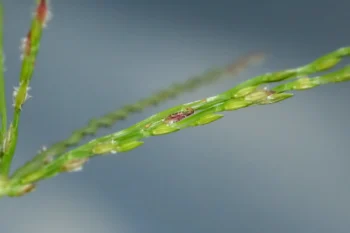
Don’t expect dramatic visual impact from Asian crabgrass – this isn’t a showstopper plant. It forms a low-growing, fine-textured ground cover with narrow leaf blades and slender seed heads. Think of it as the understated cousin in the grass family that gets the job done without making a fuss about it.
Growing Conditions and Care
One of Asian crabgrass’s strongest suits is its adaptability. Here’s what this grass prefers:
- Sunlight: Full sun for best performance
- Soil: Well-drained soils, though it’s quite adaptable
- Water: Drought tolerant once established
- Climate: Heat tolerant, likely hardy in USDA zones 7-11
According to wetland status data, Asian crabgrass strongly prefers upland conditions in most regions, almost never occurring in wetlands. However, in some areas like the Great Plains, Midwest, and Hawaii, it shows more flexibility and may occasionally tolerate wetter conditions.
Should You Plant It?
The decision to plant Asian crabgrass depends largely on your location and landscaping goals. If you live in an area where it’s considered native, it can serve as a low-maintenance ground cover for naturalized areas or informal landscapes. It’s particularly useful if you need something that can handle heat and drought without much intervention.
However, since its invasive status isn’t clearly established, you might want to proceed with caution. Consider these alternatives:
- If you’re in the Southeast, look into native bunch grasses like little bluestem or buffalo grass
- For low-maintenance ground cover, consider native sedges appropriate to your region
- Consult with your local native plant society or extension office for the best regional alternatives
Wildlife and Ecological Value
As a grass, Asian crabgrass provides some basic ecological functions like soil stabilization and habitat structure, though it’s not particularly known for exceptional wildlife benefits. Wind-pollinated grasses like this one don’t offer much for pollinators seeking nectar, but they may provide nesting materials for birds and habitat for small creatures.
The Bottom Line
Asian crabgrass falls into that category of plants that won’t win any beauty contests but might earn points for reliability. If you’re dealing with challenging growing conditions and need something that can survive neglect, it could work for you. Just remember to check whether it’s truly native to your specific area, and when in doubt, lean toward well-documented native alternatives that will better support your local ecosystem.
After all, the best landscape plants are often the ones that evolved right alongside the wildlife in your backyard – they tend to create the most harmonious and sustainable gardens in the long run.