Asian Ticktrefoil: A Tropical Shrub for Pacific Gardens
If you’re gardening in tropical or subtropical regions and looking for a low-maintenance shrub that can handle tough conditions, you might have encountered Asian ticktrefoil (Desmodium heterocarpon). This perennial legume has made itself quite at home in places like Hawaii, though it’s not originally from there. Let’s dive into what makes this plant tick and whether it deserves a spot in your garden.
What Is Asian Ticktrefoil?
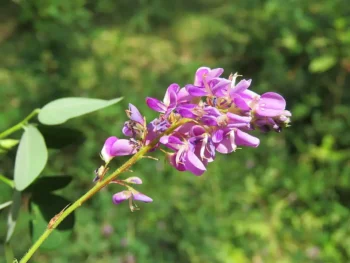
Asian ticktrefoil is a multi-stemmed woody shrub that typically grows less than 13-16 feet tall, though it usually stays much smaller in most garden settings. As a member of the legume family, it sports the characteristic three-leaflet compound leaves that give many plants in this group their trefoil name. The plant produces small, pea-like flowers in shades of pink to purple, arranged in attractive racemes that eventually develop into those infamous segmented seed pods.
And yes, those seed pods are exactly what you think they are – the tick part of the name comes from their annoying habit of sticking to your clothes, pets, and anything else that brushes against them. It’s nature’s way of ensuring this plant gets around!
Native Status and Distribution
Here’s where things get interesting from a native gardening perspective. Asian ticktrefoil is native to the Pacific Basin but notably excludes Hawaii from its original range. It’s considered a non-native species in Hawaii, though it has naturalized there and reproduces without human assistance. You’ll currently find it growing in Hawaii and Palau.
- Species observed
- No observations
Garden Appeal and Landscape Role
Despite its somewhat weedy reputation, Asian ticktrefoil does have some redeeming qualities that might appeal to certain gardeners:
- Excellent for erosion control on slopes and disturbed soils
- Nitrogen-fixing abilities improve soil quality over time
- Drought tolerant once established
- Provides nectar for bees, butterflies, and other small pollinators
- Low maintenance and adaptable to various conditions
Growing Conditions and Care
If you’re in USDA hardiness zones 9-11 and considering this plant, you’ll find it refreshingly undemanding. Asian ticktrefoil thrives in:
- Full sun to partial shade conditions
- Well-draining soils (it has facultative upland status, meaning it usually prefers non-wetland areas)
- Various soil types, from sandy to clay
- Areas with minimal irrigation once established
The plant is essentially a set it and forget it type. Once planted, it requires very little care beyond occasional pruning if you want to control its size or shape. Be aware that it can self-seed readily, so you might find new plants popping up around your garden.
Should You Plant It?
This is where native gardening enthusiasts need to think carefully. While Asian ticktrefoil isn’t listed as invasive or noxious, it is non-native to many areas where it now grows. If you’re committed to supporting local ecosystems with indigenous plants, you might want to consider native alternatives that provide similar benefits.
For Pacific region gardeners, look for native leguminous shrubs that can provide similar nitrogen-fixing benefits and erosion control. Native plants will always be better integrated into local food webs and support native wildlife more effectively.
However, if you’re dealing with challenging conditions like steep slopes, poor soils, or areas where nothing else seems to thrive, Asian ticktrefoil might serve as a temporary solution while you work on establishing more appropriate native species.
The Bottom Line
Asian ticktrefoil is a hardy, adaptable shrub that can solve certain landscape problems with minimal fuss. Its flowers do provide some pollinator value, and its nitrogen-fixing roots improve soil over time. Just remember that those sticky seed pods aren’t just annoying – they’re also how this plant spreads to new areas.
Whether you choose to plant it or not, understanding plants like Asian ticktrefoil helps us make more informed decisions about our gardens and their impact on the broader landscape. After all, every plant has a story, even if it’s not always the story we expected to find in our own backyard!