Asiatic Mangrove: A Spectacular Coastal Native with Very Specific Needs
If you’ve ever dreamed of having a tree that can literally live with its feet in saltwater, the Asiatic mangrove (Rhizophora mucronata) might just capture your imagination. This remarkable native tree, also simply called mangrove, is one of nature’s most specialized coastal performers – though it’s definitely not for your average backyard garden!
What Makes the Asiatic Mangrove Special
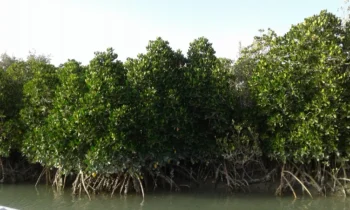
The Asiatic mangrove is a true architectural marvel of the plant world. This perennial tree normally grows 13 to 16 feet tall (and can reach much higher under ideal conditions), creating a dense canopy of glossy, leathery, dark green leaves that shimmer in coastal breezes. But what really sets this tree apart are its incredible prop roots – thick, arching supports that extend from the trunk and branches down into the water, creating an almost otherworldly appearance that looks like nature’s own sculpture.
The small yellow-white flowers may not be showy from a distance, but they’re perfectly designed for their coastal environment and attract bees, flies, and other pollinators. Even more fascinating are the brown, torpedo-shaped propagules (essentially baby mangroves) that dangle from the branches like natural ornaments before dropping into the water to find their own place to grow.
Where You’ll Find This Coastal Wonder
The Asiatic mangrove is native to the Pacific Basin, though notably not Hawaii. In U.S. territories, you can find it naturally growing in Guam and Palau, where it plays a crucial role in coastal ecosystems. Its broader native range spans the Indo-Pacific region, including coastlines throughout East Africa, Southeast Asia, northern Australia, and various Pacific islands.
- Species observed
- No observations
Should You Consider Growing an Asiatic Mangrove?
Here’s where we need to have an honest conversation about this fascinating tree. The Asiatic mangrove is absolutely stunning and ecologically invaluable – but it’s also one of the most specialized plants you could ever consider growing. This isn’t a tree for most gardeners, and here’s why:
- It literally needs saltwater: This tree requires saline to brackish water conditions to thrive
- Climate requirements are strict: Only suitable for USDA hardiness zones 10-12, where temperatures stay above 30-40°F
- Space and infrastructure needs: Requires access to tidal areas or specially constructed saltwater systems
- Legal considerations: Coastal plantings may require permits and environmental assessments
Perfect Applications for Asiatic Mangrove
While not suitable for typical residential gardens, the Asiatic mangrove excels in specific applications:
- Coastal erosion control: Those prop roots are nature’s own seawall
- Living shoreline projects: Essential for sustainable coastal management
- Tropical water features: Stunning in large-scale saltwater landscape installations
- Conservation projects: Critical for restoring coastal ecosystems
- Educational gardens: Fascinating specimen for botanical gardens and research facilities
Growing Conditions and Care
If you’re in the unique position of having the right environment for an Asiatic mangrove, here’s what it needs:
Light: Full sun to partial shade – this tree is quite adaptable to light conditions
Water: This is the big one – it requires regular saltwater flooding or at minimum, consistent access to brackish water
Soil: Muddy or sandy substrates work well, as long as they’re regularly inundated with saltwater
Temperature: Warm tropical to subtropical conditions year-round
Planting and Propagation Tips
Growing Asiatic mangrove requires patience and the right setup:
- Start with propagules: These mature seedlings establish more readily than trying to grow from seed
- Plant in intertidal zones: The tree needs areas that flood with saltwater regularly
- Minimal intervention: Once established, these trees are remarkably self-sufficient
- Be patient: Growth can be slow initially as the extensive root system develops
Wildlife and Ecological Benefits
Where Asiatic mangroves grow, they’re ecosystem superstars. Their flowers support various pollinators, while the complex root systems provide crucial habitat for fish, crabs, and countless marine organisms. Birds often nest in the canopy, and the trees serve as important nursery areas for many coastal species.
The Bottom Line
The Asiatic mangrove is an absolutely remarkable tree that deserves our admiration and protection. However, it’s definitely a specialist plant for specialist situations. Unless you’re working on coastal restoration, managing waterfront property in tropical zones, or involved in conservation efforts, this probably isn’t the tree for your garden.
For most gardeners interested in unique, water-loving natives, consider exploring other options that are better suited to typical landscape conditions while still supporting local ecosystems. But if you ever have the chance to see Asiatic mangroves in their natural habitat, don’t miss it – they’re truly one of nature’s most impressive coastal performers!