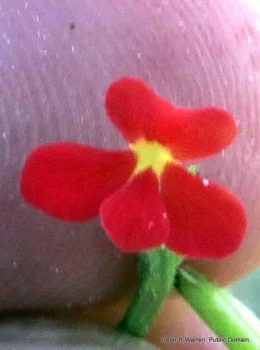
Asiatic Witchweed: A Noxious Weed You Definitely Don’t Want in Your Garden
If you’ve stumbled across the name Asiatic witchweed while researching plants for your garden, here’s some advice: keep scrolling! This little troublemaker, scientifically known as Striga asiatica, might sound intriguing with its mystical common name, but it’s actually a parasitic plant that’s earned itself a spot on the noxious weed list in the United States.
What Exactly Is Asiatic Witchweed?
Asiatic witchweed is an annual forb – basically a non-woody plant that completes its life cycle in one growing season. Don’t let its innocent-sounding classification fool you, though. This plant is a parasite that latches onto the roots of grasses and other plants, literally sucking the life out of them. In Palau, it’s known as ngauldruda, and it has a botanical synonym of Striga lutea.
Originally native to the Pacific Basin (excluding Hawaii), this sneaky species has managed to establish itself in parts of the southeastern United States, including North Carolina and South Carolina, as well as in Guam and Palau.
- Species observed
- No observations
Why You Should Avoid This Plant at All Costs
Here’s the bottom line: Asiatic witchweed is classified as a noxious weed in the United States. This isn’t just a casual warning – it’s a serious classification that means this plant poses a significant threat to agriculture and native ecosystems.
As a parasitic plant, Asiatic witchweed doesn’t play nicely with others. It:
- Attaches to the roots of host plants and steals their nutrients
- Can severely weaken or kill crops and native plants
- Spreads aggressively and is difficult to control once established
- Poses a particular threat to agricultural crops, especially grasses
Physical Characteristics
If you’re wondering how to identify this botanical troublemaker, Asiatic witchweed is a small, relatively inconspicuous plant. As an annual forb, it lacks significant woody tissue and dies back each year, but not before producing seeds to ensure its return the following season.
Growing Conditions (That You Shouldn’t Provide!)
While we absolutely don’t recommend cultivating this plant, understanding its preferred conditions can help you identify and prevent its establishment. Asiatic witchweed thrives in warm, humid environments typical of USDA hardiness zones 9-11. It’s particularly fond of areas where it can find suitable grass hosts to parasitize.
What to Do If You Spot It
If you suspect you’ve found Asiatic witchweed on your property, don’t ignore it. Contact your local agricultural extension office or state department of agriculture immediately. Early detection and rapid response are crucial for preventing this noxious weed from spreading further.
Better Alternatives for Your Garden
Instead of risking the introduction of this problematic species, consider these native alternatives that will actually benefit your garden and local ecosystem:
- Native wildflowers that support local pollinators
- Indigenous grasses that provide habitat for wildlife
- Regional forbs that complement your area’s natural plant communities
Consult with your local native plant society or extension office to discover beautiful, beneficial native plants that are perfectly suited to your specific region and growing conditions.
The Takeaway
When it comes to Asiatic witchweed, the best advice is simple: just say no. This noxious, parasitic plant has no place in responsible gardening or landscaping. By choosing native plants instead, you’ll create a healthier, more sustainable garden that supports local wildlife and ecosystems – and you’ll avoid the headache of dealing with an invasive species that could spread beyond your property lines.
Remember, good gardening isn’t just about what looks pretty – it’s about making choices that benefit the broader environment. In the case of Asiatic witchweed, the most beautiful thing you can do is leave it out of your garden entirely.