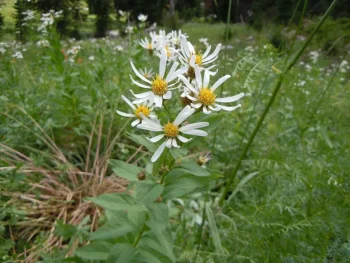
Growing Aster (Eucephalus): A Native Late-Season Bloomer for Western Gardens
If you’re looking for a native plant that brings late-season color and pollinator support to your western garden, meet the humble yet valuable aster genus Eucephalus. While it might not win any flashiness contests, this unassuming perennial herb has earned its place in naturalistic gardens and native plant landscapes across the western United States and Canada.
What Is Eucephalus?
Eucephalus is a genus of perennial asters native to western North America. As a forb herb, it’s a non-woody plant that dies back to the ground each winter and returns from its root system the following spring. Don’t let the simple description fool you – this hardy native has adapted beautifully to the challenging conditions of the western landscape.
Where Does It Grow Naturally?
This native aster calls the western regions of North America home, naturally occurring across an impressive range that includes Alberta, British Columbia, California, Colorado, Idaho, Montana, Nevada, Oregon, Utah, Washington, and Wyoming. Its wide distribution tells us something important: this is one adaptable plant that can handle diverse conditions.
- Species observed
- No observations
Why Consider Adding Eucephalus to Your Garden?
Here are several compelling reasons to give this native aster a spot in your landscape:
- Late-season pollinator magnet: When many other flowers have finished blooming, Eucephalus produces small, daisy-like flowers in white to pale purple that provide crucial nectar for butterflies, bees, and other pollinators preparing for winter
- True native credentials: Supporting local ecosystems and native wildlife is easier when you choose plants that evolved right in your region
- Low maintenance: Once established, this drought-tolerant perennial requires minimal care and attention
- Natural look: Perfect for wildflower gardens, native plant landscapes, and naturalistic designs where you want an authentic, unmanicured appearance
Growing Conditions and Care
One of the best things about native plants like Eucephalus is that they’re already adapted to your local climate. Here’s what this aster needs to thrive:
Soil and Drainage
Well-drained soil is essential – Eucephalus doesn’t appreciate soggy feet. It can handle various soil types as long as water doesn’t sit around the roots for extended periods.
Light Requirements
Full sun to partial shade works well, though you’ll typically get the best flowering in sunnier locations.
Water Needs
Once established, this native is quite drought tolerant. During its first growing season, provide regular water to help it establish a strong root system, then you can back off to occasional deep watering during extended dry periods.
Climate Zones
Eucephalus generally thrives in USDA hardiness zones 3-8, making it suitable for most western gardens where it naturally occurs.
Garden Design Ideas
This native aster works beautifully in several garden styles:
- Native plant gardens: Combine with other regional natives for an authentic local ecosystem
- Xeriscapes: Its drought tolerance makes it perfect for water-wise landscapes
- Naturalistic designs: Let it self-seed and spread naturally for a wild, unstructured look
- Pollinator gardens: Plant alongside other native bloomers to provide season-long nectar sources
Planting and Maintenance Tips
Growing Eucephalus successfully is refreshingly straightforward:
- Plant in spring after the last frost or in early fall
- Water regularly the first season to establish roots
- After establishment, this low-maintenance native largely takes care of itself
- Allow plants to go to seed if you want natural spreading
- Cut back dead stems in late winter or early spring
The Bottom Line
While Eucephalus might not be the showiest plant in your garden, it offers something increasingly valuable: authentic native beauty that supports local wildlife while requiring minimal resources from you. If you’re building a sustainable, wildlife-friendly landscape in the western regions where this plant naturally occurs, Eucephalus deserves serious consideration. Sometimes the most humble plants provide the greatest rewards – both for us and for the creatures that share our outdoor spaces.