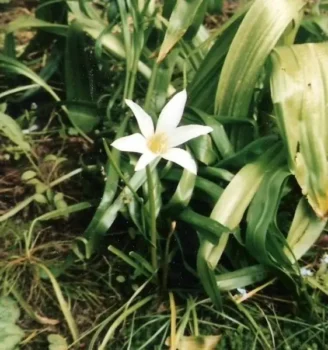
Atamasco Lily: A Charming Native Bulb for Early Spring Gardens
If you’re looking to add some early spring magic to your garden while supporting native wildlife, the Atamasco lily might just be your new favorite bulb. This delightful native wildflower brings pristine white blooms to the landscape just when winter’s grip is loosening, offering both beauty and ecological value to southeastern gardens.
Meet the Atamasco Lily
The Atamasco lily (Zephyranthes atamasca) is a charming perennial bulb that’s as dependable as it is beautiful. You might also see it listed under its old botanical names like Amaryllis atamasca or Atamosco atamasca in older gardening references, but don’t let the name changes fool you – it’s the same wonderful plant.
As a native forb, this herbaceous perennial lacks the woody stems of shrubs and trees, instead emerging fresh each year from underground bulbs. It’s perfectly adapted to life in the southeastern United States, where it has been brightening woodlands and wet areas for centuries.
Where Does It Call Home?
The Atamasco lily is a true southeastern native, naturally occurring across eight states: Alabama, Florida, Georgia, Maryland, Mississippi, North Carolina, South Carolina, and Virginia. If you live in these regions, you’re in luck – this plant is perfectly suited to your local climate and growing conditions.
- Species observed
- No observations
Why You’ll Love Growing Atamasco Lily
There are plenty of reasons to welcome this native beauty into your garden:
- Early spring blooms appear when few other flowers are available, providing crucial nectar for emerging pollinators
- Pure white, lily-like flowers create stunning displays in woodland settings
- Naturalizes readily, creating larger colonies over time
- Low maintenance once established
- Supports native ecosystem by providing food for local wildlife
- Tolerates wet conditions that might challenge other bulbs
Perfect Garden Situations
The Atamasco lily shines in several garden settings:
- Woodland gardens where it can naturalize under trees
- Shade gardens needing early spring interest
- Native plant gardens focused on regional flora
- Rain gardens and areas with seasonal moisture
- Naturalized areas where it can spread freely
Its facultative wetland status means it’s equally happy in moist woodlands or areas that experience seasonal flooding, making it incredibly versatile for different garden situations.
Growing Conditions and Care
One of the best things about Atamasco lily is how easy it is to grow, especially if you’re gardening within its native range of USDA hardiness zones 6-9.
This adaptable native prefers partial shade to full sun and thrives in moist to wet soils. Unlike many garden bulbs that demand perfect drainage, the Atamasco lily actually appreciates consistent moisture and can handle areas that stay wet during winter and spring.
Plant bulbs in fall, just like you would tulips or daffodils, but don’t worry about providing the perfect drainage that many bulbs require. Once established, these hardy natives need minimal care and will often self-seed to create naturalized colonies.
Supporting Pollinators and Wildlife
By choosing native plants like the Atamasco lily, you’re doing more than just beautifying your garden – you’re creating habitat for local wildlife. The early spring blooms provide nectar when bees and other pollinators are just becoming active, offering them crucial food sources during a time when few other flowers are available.
The Bottom Line
If you’re gardening in the southeastern United States and want to add early spring beauty while supporting native ecosystems, the Atamasco lily is an excellent choice. Its pristine white flowers, easy care requirements, and ability to naturalize make it perfect for gardeners who want maximum impact with minimal effort. Plus, you’ll have the satisfaction of knowing you’re growing a plant that belongs in your local landscape and supports the wildlife that call it home.