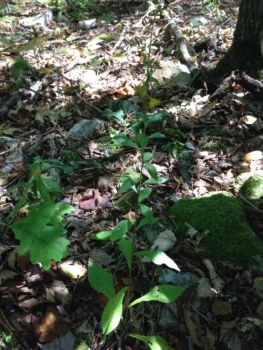
Atlantic Goldenrod: A Golden Treasure for Your Native Garden
If you’re looking to add a splash of sunshine to your late-season garden while supporting local wildlife, Atlantic goldenrod (Solidago arguta) might just be your new best friend. This cheerful native perennial brings bright yellow blooms when many other flowers are calling it quits for the year, making it a true garden hero.
What Makes Atlantic Goldenrod Special?
Atlantic goldenrod is a herbaceous perennial that belongs to the large and beloved goldenrod family. Unlike some of its more aggressive cousins, this species offers gardeners a well-behaved option that won’t take over your entire yard. As a forb (basically a fancy term for a non-woody flowering plant), it dies back to the ground each winter and returns reliably each spring.
Where Does It Call Home?
This native beauty has quite the impressive range across North America. You’ll find Atlantic goldenrod growing naturally from Canada down through the eastern United States, spanning an impressive list of states including Alabama, Arkansas, Connecticut, Delaware, Florida, Georgia, Illinois, Kansas, Kentucky, Louisiana, Maine, Maryland, Massachusetts, Mississippi, Missouri, New Hampshire, New Jersey, New York, North Carolina, Ohio, Oklahoma, Pennsylvania, Rhode Island, South Carolina, Tennessee, Texas, Vermont, Virginia, and West Virginia.
- Species observed
- No observations
Why Your Garden (and Local Wildlife) Will Love It
Atlantic goldenrod is like hosting a late-season buffet for pollinators. When most flowers have finished blooming, this golden beauty steps up to provide crucial nectar and pollen for bees, butterflies, and other beneficial insects preparing for winter. It’s particularly valuable because it blooms from late summer into fall, exactly when pollinators need that extra energy boost.
From a design perspective, Atlantic goldenrod works wonderfully in:
- Native plant gardens
- Prairie-style landscapes
- Pollinator gardens
- Naturalized areas
- Mixed perennial borders
Growing Atlantic Goldenrod Successfully
The good news? Atlantic goldenrod is refreshingly low-maintenance. This adaptable native thrives in USDA hardiness zones 3-9, making it suitable for most of the continental United States.
Perfect Growing Conditions
Atlantic goldenrod isn’t particularly fussy about its living conditions, which makes it perfect for beginner native plant gardeners:
- Sunlight: Full sun to partial shade (though it blooms best in full sun)
- Soil: Well-drained soils of various types
- Water: Drought tolerant once established
- Moisture preference: Generally prefers upland (non-wetland) conditions, though it can occasionally tolerate some moisture in certain regions
Planting and Care Tips
Getting Atlantic goldenrod established in your garden is surprisingly straightforward:
- Plant in spring or fall when temperatures are moderate
- Water regularly the first year to help establish strong roots
- Once established, it’s quite drought tolerant
- Cut back spent stems in late winter or early spring
- Allow some stems to remain through winter to provide seeds for birds and shelter for beneficial insects
- Be aware that it may self-seed, which can be a bonus if you want more plants
A Few Things to Keep in Mind
While Atlantic goldenrod is generally well-behaved, it can spread by underground rhizomes and self-seeding. This isn’t necessarily a bad thing – many gardeners appreciate having more of these valuable native plants. However, if you prefer a more controlled look, simply deadhead spent flowers before they set seed, or divide clumps every few years.
The Bottom Line
Atlantic goldenrod offers native plant enthusiasts an excellent combination of beauty, wildlife value, and ease of care. Its late-season blooms provide crucial support for pollinators when they need it most, while its adaptable nature makes it suitable for a wide range of garden conditions and hardiness zones. Whether you’re creating a dedicated native plant garden or simply want to add some native flair to your existing landscape, Atlantic goldenrod is definitely worth considering.
Remember, when you plant native species like Atlantic goldenrod, you’re not just beautifying your space – you’re creating habitat and supporting the intricate web of life that makes our ecosystems thrive. Now that’s something to feel good about every time you see those cheerful yellow blooms!