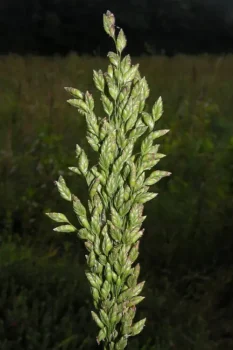
Atlantic Mannagrass: The Unsung Hero of Wetland Gardens
If you’ve been searching for a native grass that thrives in the soggiest spots of your landscape, let me introduce you to Atlantic mannagrass (Glyceria obtusa). This humble perennial grass might not win any beauty contests, but it’s absolutely stellar at what it does best: transforming wet, challenging areas into functional, ecologically valuable spaces.
What Exactly Is Atlantic Mannagrass?
Atlantic mannagrass is a native perennial grass that’s perfectly at home in North America’s wettest places. Sometimes you might see it listed under its old scientific name, Panicularia obtusa, but don’t let the name changes fool you – this is the same reliable wetland workhorse gardeners have been using for years.
This grass has a rhizomatous growth form, meaning it spreads underground through creeping root systems. At maturity, it reaches about 3.3 feet tall with fine-textured, green foliage that creates a soft, naturalistic appearance in the landscape.
Where Does It Call Home?
Atlantic mannagrass is native to both Canada and the lower 48 states, with a natural range spanning from New Brunswick and Nova Scotia down through the eastern United States. You’ll find it growing wild in states from Maine to South Carolina, including Connecticut, Delaware, Maryland, Massachusetts, New Hampshire, New Jersey, New York, North Carolina, Pennsylvania, Rhode Island, and Virginia, plus the District of Columbia.
- Species observed
- No observations
Why Your Garden Might (Or Might Not) Need This Grass
Let’s be honest – Atlantic mannagrass isn’t going to be the star of your flower border. Its green flowers bloom in summer but are hardly conspicuous, and it definitely falls into the functional rather than flashy category. However, if you have any of these situations, this grass could be exactly what you need:
- Consistently wet or boggy areas that other plants struggle in
- Rain gardens that need reliable, fast-establishing plants
- Pond edges or stream banks requiring erosion control
- Wetland restoration projects
- Areas where you want to create wildlife habitat
The grass has an obligate wetland status across all its native regions, meaning it almost always occurs in wetlands. This makes it incredibly valuable for anyone dealing with chronically wet soil conditions that frustrate most other plants.
What Role Does It Play in Garden Design?
Think of Atlantic mannagrass as the reliable supporting actor in your landscape drama. It works beautifully in:
- Rain gardens – Where its rapid growth rate and high moisture requirements make it ideal
- Naturalistic water features – Providing soft texture around ponds or streams
- Wetland restoration areas – Where native plants are essential
- Transitional zones – Between wet and dry areas in the landscape
Growing Conditions and Care
Here’s where Atlantic mannagrass really shines – it’s remarkably easy to please if you can meet its basic needs:
Soil Requirements:
- Prefers fine to medium-textured soils
- Needs consistently moist to wet conditions (high moisture use)
- Thrives in pH range of 4.0 to 7.0 (acidic to neutral)
- Has high anaerobic tolerance (can handle waterlogged soils)
Light and Climate:
- Tolerates shade but performs best with some sun
- Hardy in USDA zones 4-8
- Can handle temperatures as low as -8°F
- Needs at least 140 frost-free days
- Prefers areas with 40-50 inches of annual precipitation
Planting and Establishment Tips
The easiest way to establish Atlantic mannagrass is through sprigs (small divisions with roots attached). Here’s how to get started:
- Plant sprigs in spring during the active growth period
- Space plants about 12-18 inches apart for moderate coverage
- Ensure consistent moisture from planting through establishment
- Be patient – while the grass has a rapid growth rate once established, it may start slowly
- Expect moderate vegetative spread as the rhizomes establish
One of the best things about this grass is that it requires minimal maintenance once established. It has medium fertility requirements, so occasional feeding isn’t necessary but won’t hurt.
Wildlife and Ecological Benefits
While Atlantic mannagrass might not be a major pollinator magnet (it’s wind-pollinated with inconspicuous flowers), it provides valuable habitat structure for wetland wildlife. The dense growth creates cover for amphibians, and the seeds provide food for wetland birds during summer and fall.
Is Atlantic Mannagrass Right for Your Garden?
Consider adding Atlantic mannagrass to your landscape if you:
- Have consistently wet areas that challenge other plants
- Want to create authentic native wetland habitat
- Need erosion control near water features
- Appreciate low-maintenance, functional plants
- Are working on wetland restoration projects
However, this grass might not be the best choice if you’re looking for:
- Showy flowers or dramatic foliage
- Plants for dry or well-drained areas
- Slow-spreading, contained growth
- Major pollinator attractors
Atlantic mannagrass proves that sometimes the most valuable plants are the ones that quietly do their job without fanfare. In the right wet, challenging spot, this native grass can transform a problem area into a thriving piece of authentic wetland habitat. And honestly, isn’t that kind of reliable, hardworking plant exactly what every gardener needs?