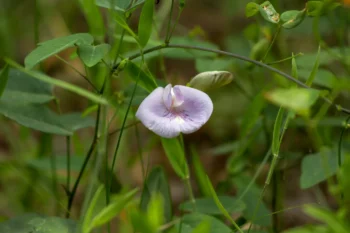
Atlantic Pigeonwings: A Hidden Gem for Native Plant Gardens
If you’re looking for a native wildflower that combines beautiful blooms with ecological benefits, Atlantic pigeonwings (Clitoria mariana) might just be the perfect addition to your garden. This charming perennial herb brings a splash of purple-blue color to natural landscapes while supporting local wildlife and pollinators.
What Are Atlantic Pigeonwings?
Atlantic pigeonwings is a native North American perennial that belongs to the legume family. As a forb herb, it’s a non-woody plant that lacks significant thickening by secondary woody growth, with buds that survive winter at or below ground level. This hardy wildflower has been gracing American landscapes for centuries, and it’s also known by the botanical name Clitoria mariana.
Where Do Atlantic Pigeonwings Grow Naturally?
This versatile native plant has an impressively wide natural range across the lower 48 states. You’ll find Atlantic pigeonwings growing naturally from the Great Lakes region down to the Gulf Coast, spanning states including Alabama, Arizona, Arkansas, Delaware, Florida, Georgia, Illinois, Indiana, Iowa, Kansas, Kentucky, Louisiana, Maryland, Minnesota, Mississippi, Missouri, Nebraska, New Jersey, New Mexico, New York, North Carolina, Ohio, Oklahoma, Pennsylvania, South Carolina, Tennessee, Texas, Virginia, West Virginia, and Wisconsin, plus the District of Columbia.
- Species observed
- No observations
A Word of Caution: Rarity Status
Before you rush to plant Atlantic pigeonwings, there’s something important to know. In New Jersey, this species is listed as Endangered with additional protections in the Pinelands and Highlands regions, carrying an S1 rarity status. If you’re interested in growing this plant, please ensure you source seeds or plants from reputable native plant suppliers who use responsibly collected material, never from wild populations.
Why Grow Atlantic Pigeonwings?
There are several compelling reasons to consider adding this native beauty to your landscape:
- Stunning flowers: Purple-blue butterfly-shaped blooms appear from summer through fall, adding seasonal color
- Pollinator magnet: The flowers attract bees, butterflies, and other beneficial pollinators
- Wildlife value: Large animals may include it as 5-10% of their diet, while terrestrial birds use it as 2-5% of their diet
- Low maintenance: Once established, it’s quite drought tolerant
- Native credentials: Supporting local ecosystems by planting native species
Perfect Garden Settings
Atlantic pigeonwings shines in several garden styles:
- Prairie and meadow gardens
- Wildflower naturalized areas
- Pollinator gardens
- Native plant landscapes
- Ground cover in natural settings
Growing Conditions and Care
One of the best things about Atlantic pigeonwings is how adaptable it is. This hardy perennial thrives in USDA hardiness zones 4-9, making it suitable for most of the continental United States.
Light requirements: Full sun to partial shade
Soil needs: Well-drained soils; quite adaptable to different soil types
Water requirements: Drought tolerant once established, though occasional watering during dry spells is appreciated
Wetland status: Classified as Facultative Upland, meaning it usually grows in non-wetland areas but can tolerate some wetland conditions
Planting and Maintenance Tips
Growing Atlantic pigeonwings successfully is refreshingly straightforward:
- Plant in spring after the last frost date
- Provide regular water during the first growing season to help establishment
- Once established, this low-maintenance plant largely takes care of itself
- May self-seed in favorable conditions, helping to naturalize your garden
- No special fertilization needed – like other legumes, it can fix nitrogen from the air
The Bottom Line
Atlantic pigeonwings offers native plant gardeners a wonderful combination of beauty, ecological value, and ease of care. While its rarity status in some areas requires responsible sourcing, this charming wildflower can be a valuable addition to naturalized gardens, prairie plantings, and pollinator habitats. With its lovely purple-blue blooms and wildlife benefits, it’s a plant that gives back to both gardeners and local ecosystems.
Remember to source your plants or seeds from reputable native plant suppliers, and you’ll be rewarded with a beautiful, low-maintenance addition that supports local wildlife and adds authentic native character to your landscape.