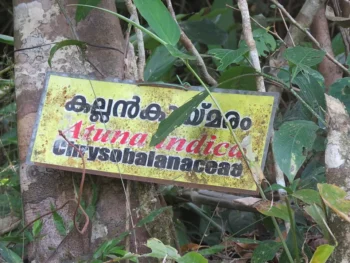
Atuna: A Rare Pacific Island Tree for Tropical Gardens
If you’re searching for an exotic tree that brings a touch of the Pacific islands to your tropical garden, you might have stumbled across Atuna. This lesser-known genus represents some of the most specialized trees from the Pacific Basin, offering unique beauty for those lucky enough to live in the right climate zones.
What is Atuna?
Atuna is a perennial tree that typically grows as a single-trunked specimen reaching heights of 13-16 feet or more. These woody beauties are true tropical natives, hailing from the Pacific Basin region, with documented populations in Palau. While they can sometimes develop a multi-stemmed growth pattern under certain environmental conditions, they’re most commonly seen as stately single-trunk trees.
Where Does Atuna Grow Naturally?
This tree calls the Pacific islands home, with its natural range spanning parts of the Pacific Basin, excluding Hawaii. Currently, Palau is documented as one of the primary locations where you’ll find these trees growing wild.
- Species observed
- No observations
Should You Plant Atuna in Your Garden?
The honest answer? It depends entirely on where you live and what you’re hoping to achieve in your landscape. Here’s what you need to consider:
Climate Requirements
Atuna trees are exclusively tropical plants, thriving only in USDA hardiness zones 10-12. If you live anywhere that experiences frost or extended cool periods, this tree simply won’t survive in your outdoor garden.
Growing Conditions
These Pacific natives prefer:
- Well-drained soils that don’t stay waterlogged
- Full sun to partial shade exposure
- Warm, humid conditions year-round
- Protection from strong winds when young
Landscape Role and Design Ideas
In the right setting, Atuna can serve as an excellent specimen tree or provide natural shade in tropical landscapes. Their glossy, leathery foliage creates an attractive canopy, and the small, fragrant flowers add seasonal interest while supporting local pollinators like bees and butterflies.
These trees work particularly well in:
- Coastal tropical gardens
- Subtropical landscape designs
- Collections of Pacific island native plants
- Areas where you want to create natural shade
Planting and Care Tips
Successfully growing Atuna requires attention to their specific needs:
Site Selection
Choose a location with good drainage and protection from harsh winds. Young trees especially benefit from some shelter while establishing their root systems.
Watering
While these trees become quite drought-tolerant once established, they’ll need regular watering during their first few growing seasons. Maintain consistent moisture without creating waterlogged conditions.
Maintenance
Atuna trees are relatively low-maintenance once established. Regular inspection for pest issues and occasional pruning to maintain shape are typically all that’s needed.
The Bottom Line
Atuna trees offer something special for tropical gardeners looking to incorporate authentic Pacific island flora into their landscapes. However, their very specific climate requirements mean they’re only suitable for gardeners in the warmest zones. If you don’t live in zones 10-12, you’ll want to explore cold-hardy alternatives that can provide similar aesthetic appeal in your climate.
For those in suitable climates, Atuna can be a rewarding addition that supports local pollinators while adding unique character to your tropical garden paradise.