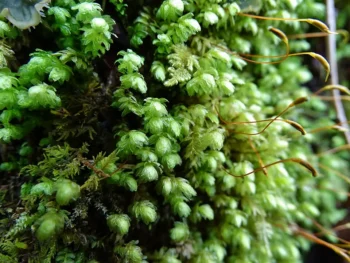
Aulacomnium Moss: A Native Ground Cover for Shaded Gardens
If you’ve ever wandered through a shaded woodland and noticed small, cushiony patches of green covering rocks or fallen logs, you might have encountered aulacomnium moss (Aulacomnium heterostichum). This charming native moss brings a touch of forest floor magic to your garden, creating soft carpets of green in those tricky spots where other plants struggle to thrive.
What Is Aulacomnium Moss?
Aulacomnium moss is a terrestrial moss native to North America, particularly thriving in the northeastern regions. As a member of the bryophyte family, this little green wonder doesn’t produce flowers or seeds like traditional garden plants. Instead, it reproduces through spores and creates those lovely, velvety patches that make woodland floors so enchanting.
You might occasionally see this moss listed under its scientific synonym, Arrhenopterum heterostichum, but don’t let that confuse you – it’s the same delightful plant!
Where Does It Grow Naturally?
This native moss calls the northeastern United States home, with confirmed populations in New Jersey and New York. However, like many mosses, it likely has a broader range throughout eastern North America’s temperate forests.
- Species observed
- No observations
Why Consider Aulacomnium Moss for Your Garden?
While you can’t exactly plant moss the way you would a perennial, encouraging its growth can bring several benefits to your garden:
- Creates natural-looking ground cover in shaded areas
- Helps prevent soil erosion on slopes and banks
- Adds texture and year-round green color to woodland gardens
- Requires no mowing, fertilizing, or regular maintenance
- Provides habitat for tiny beneficial insects and soil organisms
How to Identify Aulacomnium Moss
Spotting aulacomnium moss in your garden or local woodland is easier than you might think. Look for small, cushion-like patches of green that feel soft and spongy underfoot. The moss typically grows attached to rocks, fallen logs, or sometimes directly on soil in heavily shaded areas.
When reproductive, you might notice tiny stalks with small capsules at the tips – these are the sporophytes that release spores for reproduction. This feature can help distinguish it from other moss species.
Creating the Right Conditions
If you’re hoping to encourage aulacomnium moss in your garden, focus on creating the conditions it loves rather than trying to transplant it. This moss thrives in:
- Deep to partial shade (direct sunlight will quickly dry it out)
- Consistently moist but not waterlogged conditions
- Areas with good air circulation
- Acidic soil or surfaces
- Locations protected from heavy foot traffic
In USDA hardiness zones 3-7, you’re most likely to see this moss establishing naturally if conditions are right.
Caring for Moss in Your Garden
The beauty of moss lies in its low-maintenance nature. Once established, aulacomnium moss asks for very little:
- Keep the area consistently moist, especially during dry spells
- Remove fallen leaves and debris that might smother the moss
- Avoid using fertilizers or chemicals in mossy areas
- Minimize foot traffic to prevent compaction and damage
A Perfect Addition to Woodland Gardens
Aulacomnium moss shines brightest in naturalistic garden settings. It’s perfect for shade gardens, rock gardens, and woodland landscapes where you want to recreate that peaceful forest floor feeling. While it won’t attract pollinators like flowering plants do, it adds an essential layer of texture and creates microhabitats for tiny beneficial creatures.
Rather than fighting against challenging shady, moist spots in your garden, why not embrace them? Aulacomnium moss proves that sometimes the most beautiful garden solutions come from working with nature rather than against it. Let this native moss transform your difficult areas into enchanting green carpets that would make any woodland jealous.