Discovering Aulacomnium Moss: A Tiny Native Wonder for Your Garden
If you’ve ever wandered through a shaded woodland and noticed soft, cushiony patches of green carpeting the forest floor, you may have encountered aulacomnium moss (Aulacomnium palustre). This humble little native plant might not grab headlines like showy wildflowers, but it plays a fascinating and important role in North American ecosystems—and potentially in your garden too!
What Exactly Is Aulacomnium Moss?
Aulacomnium moss belongs to the wonderful world of bryophytes—those ancient, non-flowering plants that include mosses, liverworts, and hornworts. Unlike the flowering plants we’re used to, mosses reproduce through spores rather than seeds and don’t have true roots, stems, or leaves in the technical sense. Instead, they’re masterfully simple organisms that have been thriving on Earth for over 400 million years!
This particular moss is a terrestrial species, meaning it grows on land rather than in water. You’ll often find it attached to rocks, fallen logs, or even growing directly on soil in the right conditions. It’s always herbaceous (soft and green) and forms those distinctive carpet-like patches that make woodland floors so enchanting.
Where Does Aulacomnium Moss Call Home?
As a native North American species, aulacomnium moss has naturally established itself across various regions of the continent. In the United States, it’s been documented growing in states including New Jersey and New York, though its range likely extends beyond these documented areas. This moss has quite the cosmopolitan lifestyle, also appearing in parts of Europe and Asia.
- Species observed
- No observations
Identifying Aulacomnium Moss in the Wild
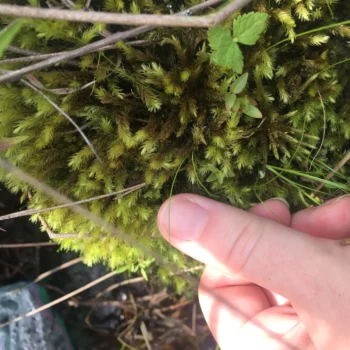
Spotting aulacomnium moss is like finding nature’s own tiny forest. Look for these telltale characteristics:
- Dense, cushion-like mats or patches
- Small, upright stems that create a miniature forest appearance
- Bright green color when moist, potentially turning reddish-brown during dry periods
- Preference for shaded, moist locations
- Often found on acidic soils, rotting wood, or rocky surfaces
Is Aulacomnium Moss Beneficial for Your Garden?
Absolutely! While aulacomnium moss might not provide nectar for butterflies or dramatic seasonal color changes, it offers several unique benefits that make it a valuable addition to the right garden setting:
Natural Ground Cover: In shaded, moist areas where grass struggles to grow, moss provides an attractive, low-maintenance ground cover option that stays green much of the year.
Erosion Control: Those dense mats help stabilize soil and prevent erosion on slopes or areas prone to washing away during heavy rains.
Ecosystem Support: Mosses create microhabitats for tiny insects and other small creatures, contributing to your garden’s biodiversity in ways you might never notice but that nature certainly appreciates.
Water Management: Mosses act like natural sponges, absorbing rainfall and slowly releasing it, helping to regulate moisture in their immediate environment.
Where Aulacomnium Moss Thrives
This moss is perfectly suited for:
- Woodland or shade gardens
- Areas with consistent moisture
- Acidic soil conditions
- Cool, humid microclimates
- Spaces between stepping stones or on garden edges
- Rock gardens with partial shade
A Living Piece of Ancient History
When you encounter aulacomnium moss in your garden or on nature walks, take a moment to appreciate that you’re looking at representatives of some of Earth’s earliest land plants. These remarkable organisms have survived ice ages, continental drift, and countless environmental changes, all while quietly doing their part to keep ecosystems healthy and balanced.
While you probably won’t be planting moss from seed packets anytime soon, encouraging existing moss populations in appropriate areas of your garden—or simply learning to identify and appreciate them in natural settings—connects you to this ancient and vital part of our native plant heritage.