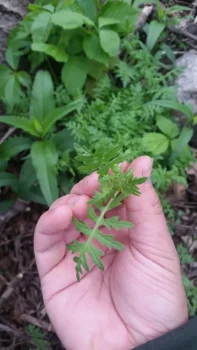
Aunt Lucy: A Delicate Native Annual Worth Getting to Know
Meet Aunt Lucy (Ellisia nyctelea), one of North America’s more modest native wildflowers that deserves a spot in your naturalized garden. This charming little annual may not win any flashy flower contests, but its understated beauty and ecological value make it a wonderful addition for gardeners who appreciate subtlety over showiness.
What Makes Aunt Lucy Special
Aunt Lucy is a native North American annual forb – essentially a soft-stemmed herbaceous plant that completes its life cycle in one growing season. Unlike woody shrubs or trees, this delicate plant lacks significant woody tissue and instead focuses its energy on producing small, pale blue to white flowers that quietly charm anyone who takes the time to notice them.
Where You’ll Find Aunt Lucy Growing Wild
This adaptable native has an impressive natural range, calling home to areas across Canada and throughout most of the lower 48 states. You can find Aunt Lucy growing wild from Alberta and British Columbia down to Texas and from coast to coast, including states like:
- Alberta, British Columbia, Manitoba, Ontario, and Saskatchewan in Canada
- Arkansas, Colorado, Connecticut, Idaho, Illinois, Indiana, Iowa, Kansas, and many more U.S. states
- Eastern seaboard states from Massachusetts to Virginia
- Western states including Montana, Nevada, New Mexico, and Wyoming
- Species observed
- No observations
Important Conservation Note
Before we dive into growing tips, here’s something crucial to know: Aunt Lucy is listed as endangered in New Jersey with an S1 rarity status. This means it’s critically imperiled in that state. If you live in New Jersey or other areas where it might be rare, only plant Aunt Lucy if you can source seeds or plants from responsible, ethical suppliers who aren’t harvesting from wild populations.
Growing Aunt Lucy in Your Garden
The good news? Aunt Lucy is relatively easy to grow if you can provide the right conditions. As an annual, it will complete its entire life cycle in one season, but it often self-seeds readily, giving you new plants year after year.
Ideal Growing Conditions
Aunt Lucy prefers:
- Partial shade to full shade conditions
- Moist, well-draining soil
- Cool temperatures (it’s not a heat lover)
- Areas that mimic woodland or forest edge environments
Wetland Tolerance
One of Aunt Lucy’s interesting characteristics is its varying relationship with moisture depending on region. In some areas like the Midwest and Northeast, it’s equally happy in wetlands and drier sites. In other regions like the Great Plains and Eastern Mountains, it typically prefers upland areas but can tolerate some wetness. This adaptability makes it useful for transitional areas in your landscape.
Perfect Garden Roles
Aunt Lucy works beautifully as:
- Groundcover in shaded woodland gardens
- Part of naturalized wildflower areas
- Filler plant in native plant gardens
- Addition to rain gardens (depending on your region)
Planting and Care Tips
Getting started with Aunt Lucy is straightforward:
- Direct sow seeds in fall or early spring when soil is cool
- Barely cover seeds – they need some light to germinate
- Keep soil consistently moist during germination
- Once established, it requires minimal care
- Allow plants to go to seed for natural reseeding
Wildlife and Pollinator Benefits
While Aunt Lucy’s flowers are small, they provide nectar for various small pollinators including native bees and flies. The plant also contributes to the overall biodiversity of native plant communities, supporting the complex web of relationships between plants, insects, and other wildlife.
Should You Grow Aunt Lucy?
If you’re creating a native plant garden, love subtle beauty over bold statements, and have the right growing conditions (partial shade and adequate moisture), Aunt Lucy could be a wonderful addition. Just remember to source it responsibly, especially if you’re in areas where it might be rare. This gentle native annual offers a perfect example of how sometimes the quietest plants make the most meaningful contributions to our gardens and local ecosystems.