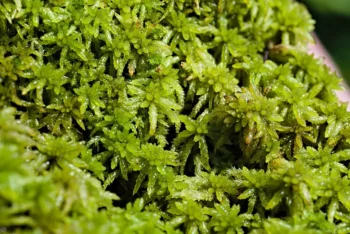
Austin’s Sphagnum: The Rare Bog Moss Worth Knowing
Meet Austin’s sphagnum (Sphagnum austinii), a fascinating little moss that’s more special than it might first appear. This native North American bryophyte belongs to the famous sphagnum family – you know, those amazing water-loving mosses that helped form the peat bogs we see today. But here’s the thing: this particular species is quite rare, making it a true treasure in the moss world.
What Exactly Is Austin’s Sphagnum?
Austin’s sphagnum is what botanists call a bryophyte – essentially a non-flowering plant that includes mosses, liverworts, and hornworts. Unlike your typical garden plants, this little green wonder doesn’t have roots in the traditional sense. Instead, it’s herbaceous and often attaches itself to rocks, logs, or other solid surfaces rather than growing directly in soil.
This moss forms soft, dense cushions of pale green to yellowish-green growth that can look almost ethereal in the right light. It’s one of those plants that makes you want to reach out and touch it (though you probably shouldn’t, given its rarity!).
Where Does It Call Home?
Austin’s sphagnum is a proud North American native, primarily found in the northeastern United States and southeastern Canada. However, its exact distribution remains somewhat mysterious to scientists – which adds to its intrigue but also highlights just how uncommon this species really is.
The Rarity Factor: Why This Moss Matters
Here’s where things get serious. In New Jersey, Austin’s sphagnum carries a rarity status of Highlands Listed, SX, which means it’s extremely rare or possibly extinct in that region. This isn’t just botanical bureaucracy – it’s a real conservation concern.
If you’re lucky enough to encounter this species in the wild, consider yourself privileged to witness something truly special. And please, resist any temptation to relocate it to your garden. Rare plants like this need to stay where they are to maintain their already fragile populations.
Identifying Austin’s Sphagnum
Spotting Austin’s sphagnum requires a keen eye, as it can be easily confused with other sphagnum species. Look for these key characteristics:
- Dense, cushion-like growth pattern
- Pale green to yellowish-green coloration
- Soft, spongy texture typical of sphagnum mosses
- Preference for consistently moist, acidic environments
- Often found attached to solid surfaces rather than growing freely in soil
Remember, definitive identification often requires microscopic examination, so when in doubt, consult with local botanists or moss experts.
Is It Beneficial in Gardens?
While Austin’s sphagnum could theoretically benefit specialized bog gardens through soil stabilization and moisture retention, its rarity status makes it completely off-limits for garden use. Even if you could somehow acquire it (which you shouldn’t), this moss requires very specific conditions that are difficult to replicate in typical garden settings.
The good news? There are plenty of other sphagnum species and bog-loving mosses that can provide similar ecological benefits without the conservation concerns. Your local native plant society can point you toward appropriate alternatives that will give you that magical bog garden aesthetic you’re after.
The Bottom Line
Austin’s sphagnum represents something precious in our natural world – a reminder that not every plant is meant for our gardens, and that’s perfectly okay. Sometimes the best way to appreciate a species is simply to know it exists and to support the conservation efforts that protect it.
If you’re interested in bog gardening or moss cultivation, focus on more common species that can be responsibly sourced. Leave Austin’s sphagnum to do what it does best: quietly existing in its specialized niche, contributing to the incredible diversity that makes our North American ecosystems so remarkable.
After all, some of nature’s greatest treasures are best admired from a respectful distance.