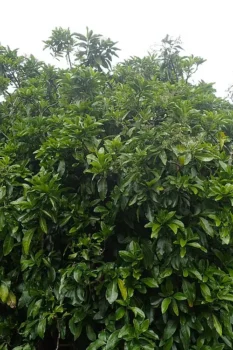
Australasian Catchbirdtree: A Unique Native Hawaiian Shrub for Tropical Gardens
If you’re looking to add some authentic tropical flair to your Hawaiian garden, meet the Australasian catchbirdtree (Pisonia brunoniana) – a native Hawaiian shrub that’s as intriguing as its name suggests. Also known by the Hawaiian name papala kepau, this perennial woody plant offers a distinctive addition to landscapes in the right climate.
What Makes This Plant Special?
The Australasian catchbirdtree is a true Hawaiian native, making it an excellent choice for gardeners interested in supporting local ecosystems and preserving native plant heritage. This shrub typically grows as a multi-stemmed woody plant, usually staying under 13-16 feet in height, though it can grow taller or develop a single stem under certain environmental conditions.
Where You’ll Find It Growing
This native beauty calls Hawaii home and grows naturally throughout the Hawaiian islands. As a native species, it’s perfectly adapted to local growing conditions and plays an important role in Hawaii’s natural ecosystems.
- Species observed
- No observations
Garden Appeal and Landscape Use
The Australasian catchbirdtree brings a lush, tropical aesthetic to any garden with its large, glossy green leaves that create an instantly recognizable island vibe. While its small flowers aren’t particularly showy, they’re followed by interesting sticky fruits that add to the plant’s unique character.
This versatile shrub works well in several landscape roles:
- As a backdrop plant for smaller tropical species
- Creating natural privacy screens
- Adding authentic Hawaiian character to native gardens
- Serving as a tropical accent in larger landscape designs
Growing Conditions and Climate Needs
Here’s where things get specific – this tropical native has some non-negotiable climate requirements. The Australasian catchbirdtree thrives in USDA hardiness zones 10-12, meaning it needs consistently warm temperatures year-round. If you’re gardening outside of tropical or subtropical regions, this isn’t the plant for you.
In terms of water preferences, this species has an interesting relationship with moisture. It’s classified as Facultative Upland in Hawaii, meaning it usually grows in non-wetland areas but can tolerate some wetland conditions. This makes it quite adaptable to different moisture levels in your garden.
The plant performs well in:
- Partial shade to full sun locations
- Well-draining soils
- Coastal environments (it tolerates salt spray)
- Areas with regular rainfall or irrigation
Planting and Care Tips
If you’re fortunate enough to garden in a suitable tropical climate, the Australasian catchbirdtree is relatively low-maintenance once established. Here are some key care considerations:
Planting: Choose a location with good drainage and appropriate sun exposure. While the plant can handle various light conditions, it typically prefers some protection from the most intense midday sun.
Watering: Provide regular moisture, especially during establishment, but ensure the soil drains well. The plant’s tolerance for both drier upland conditions and occasional wetness gives you some flexibility.
Maintenance: This shrub requires minimal pruning. Simply remove any dead or damaged branches as needed to maintain its natural form.
Wildlife and Ecological Benefits
As a native Hawaiian species, the Australasian catchbirdtree likely provides some benefits to local wildlife, though specific pollinator relationships aren’t well-documented. By choosing native plants like this one, you’re supporting the broader ecosystem and helping maintain Hawaii’s unique botanical heritage.
Is This Plant Right for Your Garden?
The Australasian catchbirdtree is perfect for you if you’re gardening in tropical Hawaii and want to incorporate authentic native species into your landscape. It’s particularly well-suited for:
- Native Hawaiian gardens
- Tropical landscape designs
- Coastal properties
- Gardens focused on native plant conservation
However, this plant won’t work for you if you’re gardening in temperate climates or areas that experience freezing temperatures. Its strict tropical requirements mean it’s really only suitable for zones 10-12.
For gardeners passionate about native plants and blessed with the right climate, the Australasian catchbirdtree offers a wonderful opportunity to grow something truly special – a piece of authentic Hawaiian botanical heritage right in your own backyard.