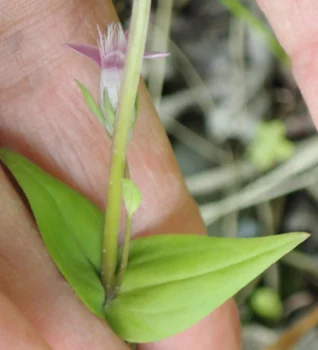
Autumn Dwarf Gentian: A Late-Season Native Gem for Your Garden
Meet the autumn dwarf gentian (Gentianella amarella), a charming little native that knows how to steal the show when most other wildflowers are calling it quits for the season. This delightful annual or biennial forb might be small in stature, but it packs a serious punch when it comes to late-season color and pollinator support.
Where You’ll Find This Native Beauty
Autumn dwarf gentian is a true North American native with an impressive range that spans from coast to coast and border to border. You’ll find this resilient little plant thriving across an extensive territory that includes Alaska, most Canadian provinces, Greenland, and numerous U.S. states from the mountainous West to the Great Lakes region and beyond. It grows naturally in states like Alaska, California, Colorado, Idaho, Maine, Minnesota, Montana, Nevada, New Mexico, North Dakota, Oregon, South Dakota, Utah, Vermont, Washington, and Wyoming, plus many Canadian provinces including Alberta, British Columbia, Manitoba, Ontario, and Quebec.
- Species observed
- No observations
What Makes Autumn Dwarf Gentian Special
This little forb (that’s botanist-speak for a non-woody flowering plant) brings several wonderful qualities to your garden:
- Late-season blooms when most flowers are done for the year
- Delicate pink to purple flowers that add subtle elegance
- Compact, low-growing habit perfect for rock gardens
- Excellent pollinator plant for late-flying bees and butterflies
- Extremely cold-hardy (zones 2-7)
- True native status across much of North America
Perfect Garden Homes for Autumn Dwarf Gentian
This versatile native fits beautifully into several garden styles. Rock gardeners absolutely love it for its delicate appearance and tough constitution. Alpine garden enthusiasts prize it for its natural mountain heritage. It’s also fantastic in native plant gardens, naturalized meadows, and even rain gardens thanks to its wetland tolerance.
The plant’s wetland status varies by region – it’s particularly fond of wet conditions in the Midwest and Northeast (where it’s considered an obligate wetland plant), while it’s more flexible about moisture in western regions.
Growing Your Own Autumn Dwarf Gentian
Here’s the scoop on successfully growing this native charmer:
Ideal Growing Conditions
- Light: Full sun to partial shade
- Soil: Moist to wet, well-draining soil
- pH: Neutral to slightly alkaline
- Climate: Cool, northern climates (USDA zones 2-7)
Planting and Care Tips
Getting autumn dwarf gentian established requires a bit of patience, but it’s worth the effort. Direct seeding works best, as these plants don’t love being transplanted. The seeds need a cold treatment (stratification) to germinate properly – Mother Nature handles this naturally if you plant in fall, or you can simulate winter in your refrigerator for spring planting.
Once established, this is a fairly low-maintenance plant. Keep the soil consistently moist, especially during dry spells. In the right conditions, it may happily self-seed, creating lovely naturalized drifts over time.
Wildlife and Pollinator Benefits
One of the best reasons to grow autumn dwarf gentian is its value to wildlife. Those late-season blooms are absolute gold for pollinators preparing for winter. Small bees, beneficial flies, and late-flying butterflies rely on these flowers when few other nectar sources remain available.
Is Autumn Dwarf Gentian Right for Your Garden?
This native gem is perfect for gardeners who:
- Want to extend their garden’s blooming season
- Live in cooler northern climates
- Have consistently moist or wet areas to plant
- Love supporting native pollinators
- Appreciate delicate, subtle beauty over flashy displays
- Enjoy rock gardening or alpine plants
While autumn dwarf gentian might not be the showiest plant in your garden, it offers something truly special: the quiet satisfaction of growing a resilient native that supports local ecosystems while adding gentle beauty to those precious final weeks of the growing season. For gardeners in its native range, this little gentian represents everything wonderful about native plant gardening – it’s perfectly adapted to local conditions, supports wildlife, and brings a touch of wild beauty to cultivated spaces.