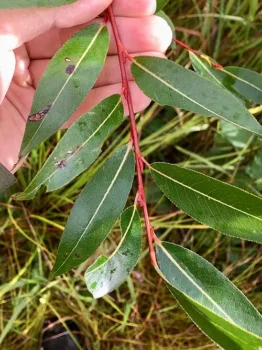
Autumn Willow: A Late-Blooming Native Treasure for Wetland Gardens
If you’re looking for a native shrub that marches to the beat of its own drum, meet the autumn willow (Salix serissima). While most willows are busy showing off their catkins in early spring, this quirky little shrub saves its floral display for late summer and fall – hence the perfectly descriptive common name.
What Makes Autumn Willow Special
Autumn willow is a perennial shrub that typically grows as a multi-stemmed woody plant, usually staying under 13-16 feet tall. What sets it apart from its willow cousins is its unusual blooming schedule and its specialized habitat preferences. This little rebel of the willow world has adapted to life in some pretty specific conditions, making it a fascinating addition to the right garden setting.
Where You’ll Find This Native Beauty
This native North American species has quite an impressive range, calling home to regions across Canada and the northern United States. You’ll find autumn willow growing naturally in Alberta, British Columbia, Manitoba, New Brunswick, Ontario, Quebec, Saskatchewan, Northwest Territories, Labrador, and Newfoundland. In the U.S., it pops up in Colorado, Connecticut, Illinois, Indiana, Massachusetts, Michigan, Minnesota, Montana, New Jersey, New York, North Dakota, Ohio, Pennsylvania, South Dakota, Vermont, Wisconsin, and Wyoming.
- Species observed
- No observations
Important note for gardeners: In New Jersey, autumn willow has a rarity status of S2, meaning it’s quite rare in the state. If you’re in an area where this plant is uncommon, please make sure to source it responsibly from reputable native plant nurseries rather than collecting from wild populations.
A Wetland Specialist
Here’s where things get really interesting – autumn willow is what botanists call an obligate wetland plant. This means it almost always occurs in wetlands and has a serious love affair with consistently moist to wet soils. Think of it as the opposite of a drought-tolerant plant; this shrub thrives where many others would struggle or drown.
Perfect for Specialized Garden Settings
Autumn willow isn’t your typical backyard shrub, and that’s exactly what makes it so valuable for specific landscape applications:
- Rain gardens: Excellent for managing stormwater runoff
- Bog gardens: Adds structure and late-season interest
- Wetland restoration projects: Helps stabilize soil and provides habitat
- Pond or stream edges: Natural choice for water feature plantings
- Naturalized landscapes: Perfect for low-maintenance, native plant communities
Late-Season Pollinator Support
One of autumn willow’s most valuable contributions to the garden ecosystem is its timing. When most flowers have called it quits for the season, autumn willow is just getting started with its catkins. This makes it an incredibly important late-season nectar source for bees and other pollinators who are still active in fall, preparing for winter or making final foraging trips.
Growing Conditions and Care
Autumn willow is surprisingly easy to grow – if you can meet its specific needs:
- Sunlight: Full sun to partial shade
- Soil: Consistently moist to wet soils; tolerates periodic flooding
- Hardiness: Thrives in USDA zones 2-6, loving cooler climates
- Water: Keep soil consistently moist; never let it dry out completely
Planting and Care Tips
Getting your autumn willow established is straightforward:
- Plant in spring after the last frost
- Choose the wettest spot in your garden or create a rain garden specifically for it
- Water regularly during the first growing season to establish roots
- Once established, it’s remarkably low-maintenance
- Pruning is rarely necessary – let it grow naturally
- Mulch around the base to help retain moisture
Should You Plant Autumn Willow?
Autumn willow is definitely not a plant for every garden, but it’s perfect for the right situation. Consider planting it if you:
- Have a consistently wet area in your landscape
- Want to support late-season pollinators
- Are creating a rain garden or wetland habitat
- Live in zones 2-6 and appreciate native plants
- Are working on erosion control near water features
However, skip autumn willow if your garden has typical well-draining soil or if you’re looking for a drought-tolerant option. This shrub’s water requirements are non-negotiable.
For gardeners in areas where autumn willow is rare, consider it a special opportunity to help conserve a native species while adding unique late-season interest to your wetland garden. Just remember to source your plants responsibly, and you’ll have a conversation-starter that blooms when everything else is winding down for the year.