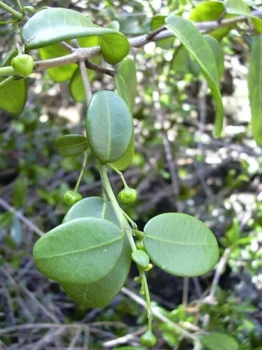
Auwahi Melicope: A Rare Hawaiian Treasure Worth Protecting
Meet the auwahi melicope (Melicope adscendens), a critically endangered Hawaiian native that’s as rare as it is beautiful. This unassuming shrub might not grab headlines, but it’s fighting for survival on the slopes of Maui – and it could use our help.
What Makes Auwahi Melicope Special?
The auwahi melicope is a perennial shrub that typically grows as a multi-stemmed woody plant, usually staying under 13-16 feet tall. Think of it as nature’s way of creating a compact, manageable native Hawaiian specimen that won’t take over your garden space.
This little-known beauty produces clusters of small, white to cream-colored flowers that may look modest but pack a punch when it comes to supporting Hawaii’s native ecosystem. Its glossy green leaves provide year-round interest, making it an excellent choice for gardeners who appreciate subtle elegance over flashy blooms.
Where Does It Come From?
Auwahi melicope is endemic to Hawaii, meaning you won’t find it growing wild anywhere else on Earth. It’s specifically native to the dry forests of Maui, where it has adapted to thrive in challenging conditions that would stress many other plants.
- Species observed
- No observations
The Conservation Reality Check
Here’s where things get serious: auwahi melicope has a Global Conservation Status of S1, meaning it’s critically imperiled. With typically 5 or fewer occurrences and very few remaining individuals (fewer than 1,000), this plant is listed as Endangered in the United States.
What does this mean for gardeners? If you’re interested in growing auwahi melicope, you absolutely can – but only with responsibly sourced material. This means purchasing from reputable native plant nurseries that propagate from legally obtained seeds or cuttings, never collecting from wild populations.
Growing Auwahi Melicope Successfully
The good news? Once you’ve sourced your plant responsibly, auwahi melicope can be surprisingly manageable to grow, especially if you live in USDA zones 10-11.
Ideal Growing Conditions:
- Well-draining soil (this is non-negotiable)
- Partial shade to full sun exposure
- Dry to moderately moist conditions
- Minimal fertilization – it’s adapted to lean soils
- Good air circulation
Planting and Care Tips:
- Plant in spring for best establishment
- Water regularly the first year, then reduce as the plant establishes
- Mulch lightly to retain moisture but avoid stem contact
- Prune lightly after flowering if needed
- Watch for root rot – excellent drainage is crucial
Garden Design Ideas
Auwahi melicope shines in native Hawaiian gardens, conservation-focused landscapes, and xerophytic (dry) garden designs. It works beautifully as:
- A specimen plant in small gardens
- Part of a native Hawaiian plant collection
- An educational focal point about conservation
- A pollinator-supporting addition to wildlife gardens
Supporting Pollinators and Wildlife
While small, the flowers of auwahi melicope provide nectar for native Hawaiian insects and other pollinators. By growing this plant, you’re not just adding beauty to your garden – you’re participating in conservation efforts that support Hawaii’s unique ecosystem.
The Bottom Line
Should you plant auwahi melicope? If you live in the right climate (zones 10-11) and can source it responsibly, absolutely yes. This endangered beauty deserves a place in conservation-minded gardens, where it can thrive while contributing to the preservation of Hawaii’s irreplaceable native flora.
Just remember: every auwahi melicope plant grown in cultivation is a small victory for conservation. By choosing to grow this rare native, you’re becoming part of the solution to preserving Hawaii’s botanical heritage for future generations.
Always purchase from reputable native plant nurseries and never collect from wild populations. Your garden can be a sanctuary for rare plants – let’s make sure it’s done right.