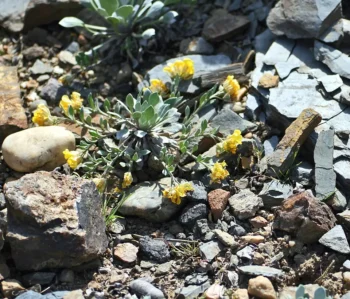
Avery Peak Twinpod: A Rare Alpine Gem for Specialized Gardens
Meet the Avery Peak twinpod (Physaria alpina), a tiny treasure that calls Colorado’s high peaks home. This diminutive perennial might not win any size contests, but what it lacks in stature, it more than makes up for in resilience and charm. If you’re drawn to rare alpine plants and have the right growing conditions, this little beauty could be a special addition to your garden—though there are some important things you should know first.
Where Does Avery Peak Twinpod Come From?
This remarkable plant is a true Colorado native, found naturally only in the state’s high-elevation areas. As its name suggests, it’s particularly associated with Avery Peak and similar alpine environments where few plants dare to venture. The Avery Peak twinpod has adapted to some of the harshest growing conditions imaginable, thriving in rocky, windswept locations that would challenge even the toughest gardeners.
- Species observed
- No observations
Important Conservation Note
Before we dive into growing tips, here’s something crucial to know: Avery Peak twinpod has a Global Conservation Status of S2, meaning it’s imperiled in the wild. With typically only 6 to 20 known occurrences and between 1,000 to 3,000 remaining individuals, this plant is extremely rare. If you’re interested in growing it, please only obtain plants or seeds from responsible, ethical sources that don’t harm wild populations.
What Does It Look Like?
Don’t expect a showstopper in the traditional sense. Avery Peak twinpod is a low-growing forb (think of it as a non-woody perennial) that forms compact, cushion-like mats. In spring, it produces small but cheerful yellow flowers that seem to glow against its silvery-green foliage. The plant’s modest size and understated beauty make it perfect for those who appreciate subtle elegance over flashy displays.
Is It Right for Your Garden?
Let’s be honest—this isn’t a plant for everyone or every garden. Avery Peak twinpod is best suited for:
- Alpine and rock gardens
- Specialized native plant collections
- Gardens in USDA hardiness zones 3-5
- Areas with excellent drainage and cool conditions
If you’re looking for a low-maintenance ground cover for your typical suburban landscape, this probably isn’t your plant. But if you’re passionate about native plants, conservation, or creating authentic alpine garden experiences, it could be perfect.
Growing Conditions: Recreating the Rockies
Growing Avery Peak twinpod successfully means mimicking its natural high-altitude habitat as closely as possible:
- Drainage is everything: This plant absolutely must have excellent drainage. Think rocky, gravelly soil that never stays soggy
- Full sun: Like most alpine plants, it needs plenty of direct sunlight
- Cool temperatures: It’s adapted to the cool conditions of high elevations
- Low humidity: Dry air is preferred over humid conditions
- Minimal water: Once established, it should rarely need supplemental watering
Planting and Care Tips
If you’ve decided to take on the challenge of growing this rare beauty:
- Plant in a raised rock garden or container with exceptional drainage
- Use a soil mix heavy on coarse sand, gravel, and small rocks
- Avoid rich, organic soils that retain moisture
- In lower elevations, provide protection from hot afternoon sun
- Water sparingly and only during extended dry periods
- Mulch with small stones rather than organic matter
Benefits for Pollinators and Wildlife
While small, Avery Peak twinpod plays an important role in its native ecosystem. The bright yellow flowers attract small native bees and other alpine pollinators that have co-evolved with high-elevation plants. By growing this species (responsibly), you’re helping support these specialized pollinator relationships.
The Bottom Line
Avery Peak twinpod isn’t for casual gardeners, but for the right person in the right situation, it’s a remarkable plant. Its rarity makes it a conservation priority, so any cultivation should be done thoughtfully and with ethically sourced material. If you have the specialized conditions it needs and a passion for rare native plants, this little alpine survivor could become one of your garden’s most treasured residents.
Remember, sometimes the smallest plants make the biggest impact—not just in our gardens, but in preserving the incredible botanical diversity that makes places like Colorado’s high peaks so special.