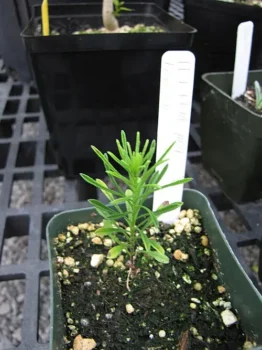
Awalua Ridge Tetramolopium: A Rare Hawaiian Treasure Worth Protecting
Meet one of Hawaii’s most precious botanical gems: the Awalua Ridge tetramolopium (Tetramolopium remyi). This delicate native Hawaiian shrub might not be the showiest plant in the garden, but it carries immense significance as one of the islands’ most endangered species. If you’re passionate about conservation gardening and preserving Hawaii’s unique flora, this little-known beauty deserves your attention—and your protection.
What Makes This Plant Special?
The Awalua Ridge tetramolopium is a perennial shrub that typically grows as a multi-stemmed woody plant, usually staying under 13-16 feet tall. Don’t let its modest stature fool you—this plant is a true survivor, adapted to Hawaii’s challenging ridge environments where few other plants can thrive.
With its small, daisy-like white flowers and silvery-green foliage, this tetramolopium species offers subtle beauty rather than flashy appeal. The delicate blooms attract native Hawaiian pollinators, making it an important piece of the islands’ ecological puzzle.
Where Does It Come From?
This remarkable plant is endemic to Hawaii, meaning you won’t find it growing naturally anywhere else on Earth. As its common name suggests, it’s particularly associated with ridge habitats, where it has adapted to the unique conditions of Hawaii’s mountainous terrain.
- Species observed
- No observations
A Critical Conservation Concern
Important Alert: The Awalua Ridge tetramolopium is critically endangered with a Global Conservation Status of S1 and is listed as Endangered. This means there are typically only 5 or fewer occurrences in the wild, with very few remaining individuals (fewer than 1,000 plants total).
If you’re considering growing this plant, please only obtain specimens from reputable sources that use responsibly collected or propagated material. Never collect plants from the wild, as this could further threaten the species’ survival.
Growing Conditions and Care
This hardy little shrub is adapted to Hawaii’s unique climate conditions:
- USDA Hardiness Zones: 10-11 (tropical and subtropical climates only)
- Light Requirements: Full sun to partial shade
- Soil Needs: Excellent drainage is critical—this plant cannot tolerate waterlogged conditions
- Water Requirements: Drought-tolerant once established; prefers dry to moderate moisture levels
- Wind Protection: Benefits from protection against strong winds
Perfect for Conservation Gardens
The Awalua Ridge tetramolopium is ideal for:
- Native Hawaiian plant collections
- Conservation-focused gardens
- Xerophytic (dry-climate) landscapes
- Educational gardens highlighting endangered species
- Specialty collections for serious native plant enthusiasts
Planting and Care Tips
Success with this rare beauty requires attention to its natural habitat preferences:
- Plant in very well-draining soil—consider adding pumice or coarse sand to improve drainage
- Choose a location with morning sun and some afternoon protection in hotter climates
- Water sparingly once established; overwatering is more dangerous than underwatering
- Mulch lightly around the base, but keep mulch away from the stem to prevent rot
- Avoid fertilizing heavily—these plants are adapted to nutrient-poor soils
Why Grow This Endangered Beauty?
While the Awalua Ridge tetramolopium may not be the easiest plant to find or grow, cultivating it serves a greater purpose. By growing this species in gardens (with responsibly sourced plants), you’re:
- Contributing to conservation efforts for Hawaii’s endangered flora
- Preserving genetic diversity outside of wild populations
- Supporting native Hawaiian ecosystems and their pollinators
- Creating awareness about Hawaii’s unique and threatened plant heritage
The Bottom Line
The Awalua Ridge tetramolopium isn’t for every gardener—it requires specific conditions and is incredibly rare. However, for conservation-minded gardeners in tropical climates who can provide the right conditions, growing this endangered species represents an opportunity to participate in preserving Hawaii’s irreplaceable botanical heritage.
Remember: only obtain plants from reputable sources using responsibly collected material, and consider your garden a sanctuary for one of Hawaii’s most precious native treasures. Every plant grown in cultivation is a small victory for conservation.