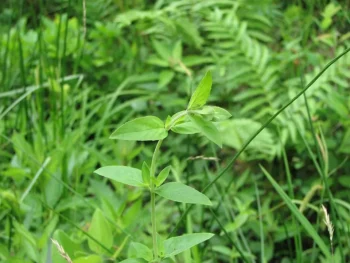
Awned Mountainmint: A Fragrant Native Treasure for Your Garden
If you’re looking for a native plant that’s both beautiful and beneficial, let me introduce you to awned mountainmint (Pycnanthemum setosum). This delightful perennial might not be the showiest plant in your garden, but it’s definitely one of the hardest working – and it smells amazing too!
What Makes Awned Mountainmint Special?
Awned mountainmint is a charming native forb that belongs to the mint family, and like its cousins, it has wonderfully aromatic foliage. When you brush against its narrow, linear leaves, you’ll be treated to a fresh, minty fragrance that’s simply irresistible. The plant produces clusters of small white to pale pink flowers that may look modest at first glance, but they’re absolute magnets for pollinators.
This perennial herb lacks woody tissue above ground, which means it dies back in winter and emerges fresh each spring. Don’t let that fool you into thinking it’s fragile – awned mountainmint is actually quite resilient once established.
Where Does It Call Home?
Awned mountainmint is native to the southeastern United States, naturally occurring in Delaware, Florida, Georgia, Maryland, Mississippi, New Jersey, North Carolina, South Carolina, and Virginia. It’s particularly fond of the coastal plain regions, where it thrives in the unique growing conditions found there.
- Species observed
- No observations
A Word About Rarity
Here’s something important to know: in New Jersey, awned mountainmint has a rarity status of S3 and is Highlands Listed, meaning it’s considered vulnerable in that state. If you’re gardening in New Jersey or anywhere within its native range, please make sure to source your plants responsibly from reputable native plant nurseries rather than collecting from the wild. We want to help this beautiful species thrive, not contribute to its decline!
Why Your Garden (and Local Wildlife) Will Love It
Awned mountainmint is a pollinator powerhouse! Its dense clusters of small flowers provide abundant nectar for:
- Native bees
- Butterflies
- Beneficial insects
- Other pollinators looking for a reliable food source
The plant typically grows in USDA hardiness zones 6-9, making it suitable for a wide range of climates. It’s perfect for naturalistic gardens, wildflower meadows, pollinator gardens, and even rain gardens thanks to its adaptable nature.
Growing Conditions and Care
One of the best things about awned mountainmint is how low-maintenance it is once established. Here’s what it needs to thrive:
- Light: Full sun to partial shade (though it performs best with plenty of sunlight)
- Soil: Well-drained soils of various types
- Water: Drought tolerant once established, but appreciates occasional watering during extended dry periods
- Wetland status: Facultative Upland, meaning it usually grows in non-wetland areas but can tolerate some moisture
Planting and Care Tips
Getting started with awned mountainmint is pretty straightforward:
- Plant in spring or fall when temperatures are moderate
- Space plants appropriately as they may spread by rhizomes over time
- Water regularly during the first growing season to help establish roots
- Once established, it’s quite drought tolerant and low-maintenance
- Consider dividing clumps every few years to maintain vigor and prevent overcrowding
- Cut back in late winter or early spring before new growth emerges
Design Ideas and Garden Companions
Awned mountainmint works beautifully in several garden styles:
- Native plant gardens: Pairs wonderfully with other southeastern natives
- Cottage gardens: Adds a wild, natural element with its informal growth habit
- Pollinator gardens: Essential for supporting local bee and butterfly populations
- Meadow plantings: Perfect for naturalistic landscapes
The Bottom Line
Awned mountainmint might not win any beauty contests, but it’s the kind of plant that earns its keep in the garden through sheer usefulness. It’s low-maintenance, supports local wildlife, smells wonderful, and adds a natural, informal charm to any planting scheme. Just remember to source it responsibly, especially if you’re in New Jersey where it’s considered rare.
If you’re looking to create a more sustainable, wildlife-friendly garden while supporting native plant populations, awned mountainmint deserves a spot on your planting list. Your local pollinators will definitely thank you for it!