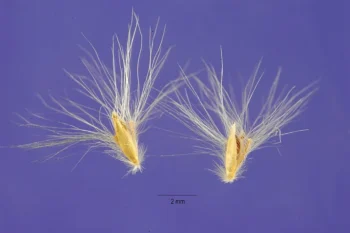
Awnless Beardgrass: A Graceful Native Grass for Southern Gardens
If you’re looking for a native grass that brings subtle elegance to your landscape without demanding much attention, awnless beardgrass (Bothriochloa exaristata) might just be your new garden companion. This perennial grass is one of those understated beauties that knows how to make a statement without shouting about it.
What Makes Awnless Beardgrass Special?
Awnless beardgrass is a true southern native, calling Louisiana and Texas home. As its name suggests, this grass lacks the bristle-like awns that many of its beardgrass relatives sport, giving it a softer, more refined appearance. You might also see it listed under its former scientific names, including Andropogon exaristatus or Bothriochloa hassleri, if you’re browsing older gardening resources.
This grass is native to the lower 48 states, specifically thriving in the warm climates of Louisiana and Texas. Its limited natural range makes it a special addition for gardeners in these areas who want to support truly local ecosystems.
- Species observed
- No observations
Why Plant Awnless Beardgrass?
There are several compelling reasons to consider this native grass for your landscape:
- Low maintenance: Once established, it’s remarkably drought-tolerant and requires minimal care
- Wildlife support: Provides seeds for birds and creates habitat for beneficial insects
- Aesthetic appeal: Tall, slender stems topped with delicate seed heads that catch morning light beautifully
- Native credentials: Supports local ecosystems and adapted to regional growing conditions
Perfect Garden Settings
Awnless beardgrass shines in several landscape situations:
- Prairie and meadow restorations
- Naturalized garden areas
- Drought-tolerant landscapes
- Native plant gardens
- Ornamental grass borders
Growing Conditions and Care
One of the best things about awnless beardgrass is how easygoing it is. Here’s what this perennial grass prefers:
Sunlight: Full sun is ideal, though it can tolerate some light shade
Soil: Well-drained soils are essential. It’s not particularly picky about soil type but won’t tolerate waterlogged conditions
Water: Drought-tolerant once established, making it perfect for water-wise gardens
Climate: Hardy in USDA zones 8-10, matching its native range in the warm South
Planting and Care Tips
Getting started with awnless beardgrass is refreshingly straightforward:
- Plant from seed in spring after the last frost
- Space plants adequately to allow for natural growth and air circulation
- Water regularly during establishment, then reduce frequency as the plant matures
- Cut back in late winter or early spring before new growth begins
- Minimal fertilization needed – this grass thrives in average soils
A Word About Availability
Because awnless beardgrass has such a specific native range, finding seeds or plants might require some detective work. Check with native plant societies in Louisiana and Texas, or specialty native grass suppliers. The limited availability actually makes it more special when you do find it!
The Bottom Line
Awnless beardgrass offers southern gardeners a chance to grow something truly special – a grass that’s perfectly adapted to their climate while supporting local wildlife. While it might not be as flashy as some ornamental grasses, its subtle beauty and ecological benefits make it a worthy addition to any native plant enthusiast’s garden. Plus, there’s something deeply satisfying about growing a plant that’s been calling your region home long before any of us arrived on the scene.