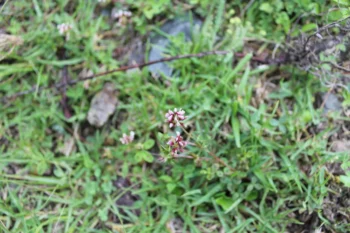
Aztec Clover: A Specialized Arizona Native for Wetland Gardens
Meet Aztec clover (Trifolium amabile), a fascinating native wildflower that calls the desert wetlands of Arizona home. While most people think of clovers as common lawn weeds, this perennial beauty tells a very different story—one of specialized adaptation to some of the Southwest’s most unique ecosystems.
Where Does Aztec Clover Come From?
Aztec clover is native to the lower 48 states, with its natural range limited to Arizona. This makes it a true regional specialist, evolved to thrive in the specific conditions found in the state’s wetland areas. Unlike its more widespread clover cousins, this species has carved out a very particular niche in the landscape.
- Species observed
- No observations
What Makes Aztec Clover Special?
As a forb—essentially a non-woody flowering plant—Aztec clover grows as a perennial, returning year after year once established. What really sets it apart is its wetland preference. In the Arid West region, this species has earned the designation of Obligate Wetland, meaning it almost always occurs in wetland environments. This is pretty remarkable when you consider we’re talking about Arizona!
Should You Grow Aztec Clover in Your Garden?
Here’s where things get interesting (and a bit challenging). Aztec clover isn’t your typical garden center find, and there’s a good reason for that. This specialized native has very specific growing requirements that can be tricky to replicate in a home garden setting.
The Pros:
- True Arizona native with deep ecological connections
- Perennial growth means it comes back each year
- Part of the legume family, so it likely helps fix nitrogen in the soil
- Supports local ecosystem relationships
The Challenges:
- Requires consistent wetland conditions—not easy in most garden settings
- Limited availability and cultivation information
- Very specific habitat requirements that are difficult to replicate
- May be sensitive to changes in water levels and soil conditions
Growing Conditions and Care
If you’re determined to try growing Aztec clover, you’ll need to create wetland-like conditions. This means consistently moist to saturated soil, which can be challenging to maintain, especially in Arizona’s arid climate. The plant’s obligate wetland status tells us it’s not going to tolerate drought or typical garden watering schedules.
Since specific hardiness zone and cultivation information isn’t readily available for this species, success would likely require significant experimentation and a deep commitment to maintaining proper moisture levels year-round.
A Better Approach for Most Gardeners
Unless you have a natural wetland area on your property or are specifically creating a constructed wetland garden, Aztec clover might not be the best choice for your landscape. Instead, consider these alternatives that offer similar benefits with more manageable growing requirements:
- Other Arizona native wildflowers adapted to your specific site conditions
- Native grasses that provide habitat and are easier to establish
- Drought-tolerant natives that align with sustainable desert gardening practices
The Bottom Line
Aztec clover is undoubtedly a fascinating piece of Arizona’s native plant puzzle. Its specialized nature and wetland requirements make it more of a conservation curiosity than a practical garden plant for most situations. If you’re passionate about wetland restoration or have the perfect site conditions, approach this species with respect and make sure any plants are responsibly sourced to avoid impacting wild populations.
Sometimes the best way to appreciate a native plant is to learn about its role in the ecosystem and support its conservation in wild spaces, rather than trying to bring it into our gardens. Aztec clover falls into that special category of plants that remind us just how wonderfully diverse and specialized our native flora can be.