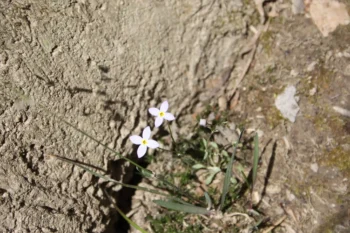
Azure Bluet: A Delicate Native Wildflower Perfect for Natural Gardens
If you’re looking for a charming native wildflower that creates a delicate carpet of tiny blue blooms each spring, meet the azure bluet (Houstonia caerulea). This petite perennial might be small in stature, but it packs a big punch when it comes to adding subtle beauty and ecological value to your garden.
What Makes Azure Bluet Special?
Azure bluet is a native North American wildflower that belongs to the coffee family, though don’t expect your morning brew from this little guy! This herbaceous perennial produces masses of tiny, four-petaled flowers that range from pale blue to nearly white, each adorned with a cheerful yellow center. The flowers are only about half an inch across, but when they bloom together in spring, they create an enchanting display that looks like scattered stars across the landscape.
Also known by its scientific name Houstonia caerulea, this plant was historically classified under other names including Hedyotis caerulea, so don’t be confused if you see it listed differently in older gardening references.
Where Azure Bluet Calls Home
Azure bluet is native to a vast swath of eastern North America, naturally occurring from southeastern Canada down to Georgia and westward into the Great Plains. You can find this delightful wildflower growing wild in states across the eastern United States, including Alabama, Arkansas, Connecticut, Delaware, Georgia, Illinois, Indiana, Kentucky, Louisiana, Maine, Maryland, Massachusetts, Michigan, Mississippi, Missouri, New Hampshire, New Jersey, New York, North Carolina, Ohio, Pennsylvania, Rhode Island, South Carolina, Tennessee, Vermont, Virginia, West Virginia, and Wisconsin, as well as several Canadian provinces.
- Species observed
- No observations
Why Plant Azure Bluet in Your Garden?
There are several compelling reasons to welcome azure bluet into your landscape:
- Native plant benefits: As a native species, azure bluet supports local ecosystems and requires less water and maintenance than non-native alternatives
- Pollinator magnet: The small flowers are perfect for tiny native bees, flies, and butterflies that might struggle with larger blooms
- Low maintenance: Once established, this perennial practically takes care of itself
- Natural beauty: Creates a subtle, naturalized look that’s perfect for woodland gardens and meadow plantings
- Adaptable: Tolerates a range of moisture conditions, from occasional wetland areas to drier upland sites
Perfect Garden Settings for Azure Bluet
Azure bluet shines in several garden styles:
- Woodland gardens: Plant it under trees where it can naturalize and spread
- Native plant gardens: Pairs beautifully with other spring wildflowers
- Meadow gardens: Creates a delicate ground layer beneath taller prairie plants
- Naturalized areas: Perfect for areas where you want a low-maintenance, natural look
Growing Azure Bluet Successfully
Hardiness: Azure bluet is quite hardy, thriving in USDA zones 3-8, making it suitable for most temperate regions of North America.
Light requirements: This adaptable wildflower performs well in partial shade to full sun, though it tends to prefer some protection from intense afternoon sun in hotter climates.
Soil preferences: Azure bluet isn’t particularly fussy about soil, but it prefers moist, well-drained conditions with slightly acidic pH. It can handle everything from sandy soils to clay, and its wetland status varies by region – it’s equally at home in slightly wet areas or drier upland sites.
Planting tips: You can start azure bluet from seed or purchase small plants from native plant nurseries. Seeds can be direct-sown in fall or early spring, as they benefit from cold stratification. If you’re patient, this little wildflower will often self-seed once established, gradually creating larger colonies.
Care and Maintenance
One of azure bluet’s greatest assets is its low-maintenance nature. Here’s what you need to know:
- Watering: Water during establishment, then let nature take over – this plant is quite drought-tolerant once established
- Fertilizing: Skip the fertilizer – native plants like azure bluet prefer lean soils and too much nutrition can actually harm them
- Pruning: No pruning necessary! Let the plants go to seed to encourage natural spreading
- Pest issues: Azure bluet is generally pest and disease-free
Supporting Wildlife
While azure bluet might look delicate, it’s a hardworking member of the ecosystem. The tiny flowers provide nectar for small native bees, beneficial flies, and butterflies. The plant’s ability to thrive in various moisture conditions makes it valuable in different habitats, from forest edges to meadow margins.
The Bottom Line
Azure bluet might not be the showiest wildflower in your garden, but its subtle charm and ecological benefits make it a worthwhile addition to any native plant enthusiast’s landscape. If you’re looking to create a natural, low-maintenance garden that supports local wildlife while providing delicate spring beauty, azure bluet deserves a spot on your planting list. Just be prepared to fall in love with its quiet elegance – and don’t be surprised when it starts showing up in unexpected corners of your garden, spreading its gentle beauty wherever conditions are right.