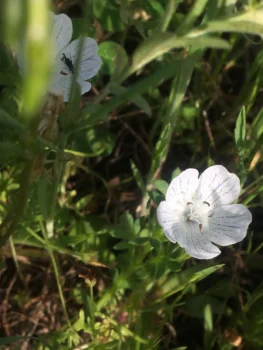
Baby Blue Eyes: A Charming Annual Wildflower for Your Garden
If you’re looking for a delicate wildflower that can transform your garden into a sea of sky-blue blooms, baby blue eyes (Nemophila menziesii) might just be the perfect addition to your landscape. This charming annual has captured the hearts of gardeners with its simple beauty and easy-going nature.
What Are Baby Blue Eyes?
Baby blue eyes are annual wildflowers belonging to the borage family. As a forb, this herbaceous plant lacks woody tissue and completes its entire life cycle in one growing season. The plant gets its common name from its distinctive pale blue flowers with white centers that seem to gaze up from the garden like tiny eyes.
Where Do They Come From?
Baby blue eyes are native to the western United States, particularly California and Oregon. However, you can now find them growing in Alaska, California, Mississippi, Nevada, Oregon, and Wyoming. In Alaska, they’re considered a non-native species that has naturalized, meaning they’ve established themselves in the wild without human intervention.
- Species observed
- No observations
Why Gardeners Love Baby Blue Eyes
There’s something undeniably charming about baby blue eyes that makes them a favorite among gardeners:
- Stunning visual impact: When planted en masse, they create breathtaking carpet-like displays of soft blue
- Pollinator magnet: Their nectar-rich flowers attract bees, butterflies, and other beneficial insects
- Low maintenance: Once established, they require minimal care
- Cool-season beauty: They thrive in cooler weather when many other flowers are dormant
Perfect Garden Settings
Baby blue eyes work wonderfully in several garden styles:
- Wildflower meadows: They naturalize beautifully in informal settings
- Cottage gardens: Their delicate appearance complements traditional cottage garden plants
- Native plant gardens: Ideal for regions within their native range
- Ground cover: Perfect for filling in bare spots with seasonal color
Growing Conditions and Care
Baby blue eyes are refreshingly easy to grow when you give them what they love:
- Light: Partial shade to full sun (they appreciate some afternoon shade in hot climates)
- Soil: Well-draining soil with good organic content
- Water: Consistent moisture, especially during germination and early growth
- Temperature: Cool, moist conditions are ideal
Planting and Care Tips
Getting baby blue eyes established in your garden is straightforward:
- When to plant: Direct seed in fall or early spring for best results
- Seeding: Scatter seeds over prepared soil and lightly rake in
- Spacing: Seeds can be sown fairly densely for a fuller display
- Watering: Keep soil consistently moist until seedlings are established
- Maintenance: Minimal care needed once growing; they often self-seed for next year
USDA Hardiness Zones
As an annual, baby blue eyes can be grown in USDA hardiness zones 2-10, though they perform best in cooler climates and may struggle in extremely hot, humid conditions.
A Word About Native Alternatives
If you’re gardening outside of baby blue eyes’ native range, particularly in the eastern United States, consider exploring native alternatives that provide similar benefits to local ecosystems. Your local native plant society can suggest beautiful native wildflowers that will thrive in your specific region and support local wildlife.
The Bottom Line
Baby blue eyes offer gardeners a low-maintenance way to add delicate beauty and pollinator support to their landscapes. Whether you’re creating a wildflower meadow or looking for seasonal ground cover, these charming annuals deliver reliable beauty with minimal fuss. Just remember to choose plants appropriate for your region, and you’ll be rewarded with those iconic sky-blue blooms that make every garden feel a little more magical.