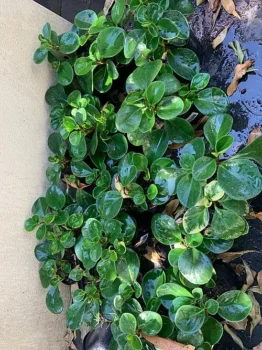
Baby Rubberplant: A Charming Native Worth Growing
Meet the baby rubberplant (Peperomia obtusifolia), a delightful native gem that’s been quietly winning hearts in homes across America. Don’t let its humble name fool you – this little beauty packs a punch when it comes to easy-care charm and glossy good looks.
What Makes Baby Rubberplant Special?
This perennial forb is native to the southeastern United States and Puerto Rico, making it a true American treasure. You’ll find it naturally growing in Florida and Puerto Rico, where it thrives in the warm, humid conditions of its tropical homeland. While it may have a limited native range, this plant has earned its place in gardens and homes far beyond its natural habitat.
- Species observed
- No observations
The baby rubberplant goes by several scientific names, including some historical synonyms like Peperomia floridana and Piper obtusifolium, but Peperomia obtusifolia is the name that stuck. This naming journey reflects the plant’s interesting botanical history and its journey from wild native to beloved houseplant.
A Plant Worth Protecting
Here’s something important to know: baby rubberplant has a conservation status that suggests it may face some challenges in its native habitat. If you’re interested in growing this native beauty, make sure you source your plants responsibly from reputable nurseries rather than collecting from the wild. By choosing nursery-grown plants, you’re supporting conservation efforts while enjoying this wonderful species.
Why Gardeners Love Baby Rubberplant
What’s not to love about a plant that combines stunning looks with practically zero drama? The baby rubberplant features thick, glossy leaves that look like they’ve been polished to perfection. These rounded, succulent-like leaves create a compact, bushy appearance that works beautifully in containers or as an understory plant in tropical gardens.
The plant’s aesthetic appeal lies in its simplicity – those gorgeous green leaves (sometimes with cream or yellow variegation) create a clean, modern look that complements any décor style. Plus, as a native species, you’re supporting local biodiversity even when growing it indoors.
Where and How to Grow Baby Rubberplant
Baby rubberplant is incredibly versatile, making it perfect for:
- Indoor container gardens and houseplant collections
- Tropical and subtropical outdoor gardens (USDA zones 10-12)
- Shade gardens as understory plantings
- Office spaces and low-light indoor environments
Growing Conditions Made Simple
One of the best things about baby rubberplant is how forgiving it is. Here’s what it needs to thrive:
- Light: Bright, indirect light works best, though it tolerates lower light conditions
- Soil: Well-draining potting mix – avoid soggy conditions at all costs
- Water: Allow soil to dry between waterings; this plant prefers to be slightly dry rather than wet
- Temperature: Comfortable room temperatures between 65-75°F are ideal
- Humidity: Appreciates moderate humidity but adapts to typical indoor conditions
Planting and Care Tips
Getting started with baby rubberplant couldn’t be easier:
- Choose a pot with drainage holes – this is non-negotiable for preventing root rot
- Use a well-draining potting mix, perhaps with some perlite added for extra drainage
- Water only when the top inch of soil feels dry to the touch
- Wipe leaves occasionally with a damp cloth to keep them glossy and dust-free
- Feed monthly during growing season with a balanced, diluted houseplant fertilizer
Propagation is wonderfully simple – just take stem cuttings and root them in water or moist potting mix. It’s so easy that you’ll soon have plenty of plants to share with friends!
The Bottom Line
Baby rubberplant offers the perfect combination of native plant pride and foolproof care. While it may not be a major pollinator magnet or wildlife haven, it brings the beauty of native flora into our homes and gardens while requiring minimal fuss. For gardeners who want to start incorporating native plants into their collection or those seeking an easy-care houseplant with a story, baby rubberplant is an excellent choice.
Just remember to source your plants responsibly and enjoy watching this charming native thrive in your care. Sometimes the best plants are the ones that ask for little but give back so much in terms of beauty and satisfaction.