Bacidina californica: The Tiny Lichen That’s Actually a Big Deal for Your Garden Ecosystem
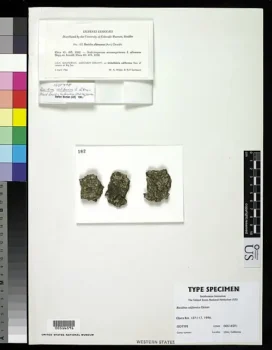
Ever noticed those crusty, pale patches on tree bark or rocks in your garden and wondered what they are? You might be looking at Bacidina californica, a fascinating lichen that’s more important to your garden’s health than you might think. While you can’t exactly plant this little organism, understanding what it is and what it means for your outdoor space is pretty amazing.
What Exactly Is Bacidina californica?
First things first – Bacidina californica isn’t actually a plant at all! It’s a lichen, which is basically nature’s ultimate partnership between a fungus and algae (or sometimes cyanobacteria). Think of it as a tiny biological cooperative where each partner brings something valuable to the table. The fungus provides structure and protection, while the algae handles the photosynthesis – pretty clever, right?
This particular lichen is native to North America, with a special fondness for the western regions. You might also see it listed under its synonym, Bacidia phacodes, in older field guides or scientific literature.
Where You’ll Find This Little Wonder
Bacidina californica makes its home primarily in western North America, with California being a particular hotspot (hence the name!). It spreads throughout adjacent regions where conditions are just right.
Spotting Bacidina californica in Your Garden
Here’s how to identify this lichen when you’re out exploring your garden:
- Look for thin, crusty patches that appear whitish-gray to pale green
- It typically grows on tree bark, especially on mature trees
- You might also find it on rocks or other stable surfaces
- The texture is generally smooth and closely adhered to its host surface
- It forms irregular patches rather than distinct shapes
Don’t expect anything showy – this lichen is all about subtle beauty and quiet functionality rather than flashy appearances.
Is Bacidina californica Good for Your Garden?
Absolutely! While you might not notice it doing much day-to-day, this little lichen is actually working hard behind the scenes. Here’s why you should be happy to have it around:
- Air quality indicator: Lichens are incredibly sensitive to air pollution, so their presence suggests your garden has relatively clean air
- Biodiversity booster: Even tiny organisms like this contribute to your garden’s overall ecosystem health
- Microhabitat creator: It provides surfaces and shelter for even smaller organisms
- Natural and native: As a native species, it belongs in your local ecosystem
Can You Grow Bacidina californica?
Here’s where things get interesting – you can’t really cultivate lichens the way you would traditional plants. They’ll show up on their own when conditions are right, which actually makes them pretty special garden guests.
What you can do is create conditions that welcome them:
- Maintain mature trees and avoid unnecessary pruning of bark
- Keep your garden chemical-free (lichens hate pollution and chemicals)
- Provide diverse surfaces like natural stone features
- Be patient – lichens grow incredibly slowly
The Bottom Line
Bacidina californica might not be the star of your garden show, but it’s definitely part of the supporting cast that makes everything work better. If you spot these pale, crusty patches in your outdoor space, give them a little nod of appreciation. They’re doing their part to keep your garden ecosystem healthy and thriving, one tiny partnership at a time.
Remember, the presence of lichens like Bacidina californica is actually a good sign – it means your garden is supporting the kind of clean, diverse environment where these sensitive organisms can flourish. And in the world of native gardening, that’s definitely something to celebrate!