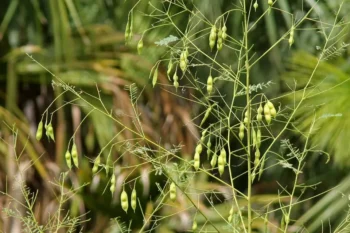
Bagpod: A Native Wetland Wonder for Your Garden
If you’re looking for a native plant that’s both beautiful and beneficial, let me introduce you to bagpod (Sesbania vesicaria). This charming annual might not be the most famous native plant in the garden center, but it’s definitely one worth getting to know – especially if you have a wet spot in your yard that needs some love.
What is Bagpod?
Bagpod is a native annual herb that belongs to the legume family. You might also see it listed under its former scientific names, Glottidium vesicarium or Sesbania platycarpa, but don’t let the botanical jargon intimidate you. This is simply a delightful native wildflower that knows how to make the most of wet conditions.
As an annual, bagpod completes its entire life cycle in one growing season, but don’t worry – it’s quite good at reseeding itself when it’s happy with its location.
Where Does Bagpod Call Home?
This southeastern native has quite an impressive range across the lower 48 states. You’ll find bagpod naturally growing in Alabama, Arkansas, Florida, Georgia, Louisiana, Mississippi, North Carolina, Oklahoma, South Carolina, and Texas. It’s particularly fond of the warm, humid conditions these states provide.
- Species observed
- No observations
Why Your Garden (and Local Wildlife) Will Love Bagpod
Here’s where bagpod really shines – it’s like having a small wildlife café in your garden. The bright yellow, pea-like flowers are absolute magnets for bees and other pollinators during the growing season. But the real showstopper comes later when those distinctive inflated seed pods develop, giving the plant its bagpod nickname.
These puffy pods aren’t just conversation starters – they’re packed with seeds that local birds absolutely adore. It’s a win-win situation: you get an interesting native plant, and your feathered friends get a reliable food source.
Perfect Spots for Planting Bagpod
Bagpod is somewhat of a water lover, though its preferences vary depending on where you live. In most regions, it’s what botanists call facultative, meaning it can handle both wet and moderately dry conditions. However, in the Midwest, it strongly prefers wetland conditions.
This makes bagpod perfect for:
- Rain gardens and bioswales
- Pond or stream margins
- Low-lying areas that stay moist
- Native plant restoration projects
- Wildlife-friendly garden borders
Growing Conditions and Care
One of the best things about bagpod is how easygoing it is once you understand its preferences. This plant thrives in USDA hardiness zones 8-10, so it’s well-suited to warmer climates.
Give your bagpod:
- Full sun to partial shade (it’s quite adaptable)
- Moist to wet soil conditions
- Space to spread and self-seed
- Minimal fertilization (like most legumes, it fixes its own nitrogen)
The beauty of growing bagpod is that it doesn’t need much fussing once established. It can even tolerate occasional flooding, making it an excellent choice for areas with variable water levels.
Planting and Propagation Tips
Starting bagpod is refreshingly simple – it grows easily from seed. You can direct sow seeds in spring after the last frost, or start them indoors if you prefer a head start. Since it’s an annual that readily self-seeds, you may find that after the first year, bagpod takes care of its own propagation in spots where it’s comfortable.
Just scatter seeds in your chosen location, keep the soil moist until germination, and then step back and watch nature work its magic.
Is Bagpod Right for Your Garden?
Bagpod is an excellent choice if you’re looking to support native wildlife, need a plant for challenging wet conditions, or want to add something unique to your native plant garden. Its combination of pretty flowers, interesting seed pods, and wildlife benefits makes it a standout performer in the right setting.
However, keep in mind that as an annual, bagpod won’t provide year-round structure like perennial natives might. It’s best used as part of a diverse native plant community rather than as a standalone specimen.
If you have the right growing conditions and appreciate plants that work hard for their keep, bagpod might just become your new favorite native annual. After all, any plant that can feed pollinators, birds, and enrich the soil while asking for so little in return deserves a spot in more gardens.