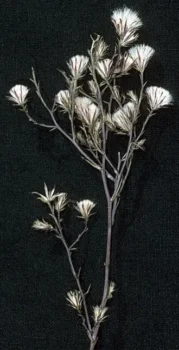
Bahaman Aster: A Native Gem for Wet Gardens
If you’ve been searching for a native wildflower that thrives in those perpetually soggy spots in your garden, let me introduce you to the charming Bahaman aster (Symphyotrichum bahamense). This delightful little native might just be the perfect solution for your wetland gardening challenges!
What Makes Bahaman Aster Special?
Bahaman aster is a true southeastern native, naturally occurring in Florida, Georgia, and Louisiana. As an annual or biennial forb, this herbaceous beauty puts on a lovely show before completing its life cycle. Don’t let its relatively short lifespan fool you – this plant has some serious garden credentials.
The plant produces clusters of small, daisy-like flowers with white to pale purple petals surrounding cheerful yellow centers. These blooms typically appear in fall, providing late-season color when many other plants are winding down for the year.
- Species observed
- No observations
Where Does Bahaman Aster Belong in Your Garden?
Here’s where Bahaman aster really shines – it’s what botanists call an obligate wetland plant. In plain English, that means this little charmer absolutely loves wet feet and almost always grows in soggy conditions. This makes it perfect for:
- Rain gardens and bioswales
- Bog gardens and wetland restorations
- Pond edges and stream banks
- Any consistently moist area where other plants struggle
- Native wildflower meadows with wet soils
Growing Conditions and Care
Bahaman aster is surprisingly low-maintenance once you understand its basic needs. Since it’s adapted to wetland conditions, the key is providing consistently moist to wet soil. Here’s what this native beauty prefers:
- Sunlight: Full sun to partial shade
- Soil: Wet, boggy, or consistently moist soils
- Water: Loves standing water and can tolerate flooding
- Hardiness: Thrives in USDA zones 8-10
Planting and Propagation Tips
Getting Bahaman aster established in your garden is refreshingly straightforward. Since it’s an annual or biennial, it relies on seeds to continue its presence in your landscape. You can:
- Direct seed in fall or early spring when soil is naturally moist
- Scatter seeds in prepared wetland areas
- Allow established plants to self-seed for natural colonization
- Maintain consistent soil moisture during germination
Once established, Bahaman aster requires minimal intervention. Its natural habitat is wetlands, so it’s adapted to handle challenging conditions that would stress other garden plants.
Wildlife and Pollinator Benefits
One of the best reasons to include Bahaman aster in your landscape is its value to local wildlife. The fall flowers provide crucial late-season nectar for butterflies, native bees, and other pollinators when food sources are becoming scarce. As a native plant, it has co-evolved with local wildlife and supports the broader ecosystem in ways that non-native alternatives simply can’t match.
Is Bahaman Aster Right for Your Garden?
Bahaman aster is an excellent choice if you have consistently wet areas in your landscape and want to support native wildlife. It’s particularly valuable for gardeners interested in:
- Creating authentic wetland habitats
- Supporting late-season pollinators
- Managing stormwater naturally
- Adding native plants to their landscape
However, it’s not the right choice for dry gardens or areas with well-drained soil. This plant’s success depends entirely on having adequate moisture year-round.
The Bottom Line
Bahaman aster proves that native plants can be both beautiful and functional. While it may not be the showiest flower in your garden, its ecological value and adaptability to challenging wet conditions make it a worthy addition to the right landscape. If you’ve got a soggy spot that needs some native charm, Bahaman aster might just be your new best friend!