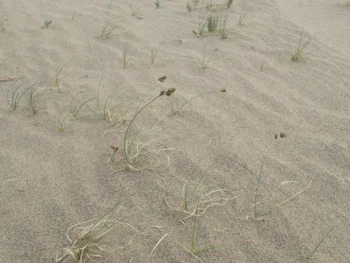
Baikal Sedge: A Hardy Arctic Native for Cold Climate Gardens
If you’re gardening in one of the coldest regions of North America and looking for a tough, low-maintenance ground cover, meet Baikal sedge (Carex sabulosa). This unassuming but resilient perennial sedge might just be the perfect addition to your cold-climate garden, especially if you’re drawn to native plants that can handle whatever Mother Nature throws their way.
What Is Baikal Sedge?
Baikal sedge is a perennial grass-like plant that belongs to the sedge family (Cyperaceae). Don’t let the name fool you – while it’s called Baikal sedge, this hardy little plant is actually native to the arctic and subarctic regions of Alaska and northwestern Canada, not Lake Baikal in Siberia. It forms dense, compact tufts of narrow, arching leaves that create an attractive ground-hugging presence in the landscape.
Where Does Baikal Sedge Grow Naturally?
This cold-loving sedge calls Alaska and Yukon home, thriving in some of the harshest climates on the continent. In the wild, you’ll find it growing in well-drained, often sandy or gravelly soils across the northern landscapes.
- Species observed
- No observations
Why Grow Baikal Sedge in Your Garden?
Here are some compelling reasons to consider this arctic native:
- Extreme cold hardiness: Thrives in USDA zones 1-4, making it perfect for the coldest gardening climates
- Low maintenance: Once established, it requires minimal care and attention
- Native plant benefits: Supports local ecosystems and provides authentic regional character
- Drought tolerant: Can handle dry conditions once its roots are established
- Erosion control: Dense growth habit helps stabilize soil
- Unique texture: Adds fine-textured, grass-like interest to plantings
Perfect Garden Settings
Baikal sedge shines in specialized garden settings where its tough, no-fuss nature is most appreciated:
- Rock gardens: Complements stone features beautifully
- Alpine gardens: Perfect for recreating high-altitude plant communities
- Native plant gardens: An authentic choice for northern native landscapes
- Naturalistic plantings: Ideal for creating wild, unstructured garden areas
- Slope stabilization: Helps prevent erosion on banks and hillsides
Growing Conditions and Care
The good news is that Baikal sedge isn’t particularly fussy – it’s adapted to survive in harsh conditions, after all. Here’s what it needs to thrive:
Light Requirements
Full sun to partial shade works well, though it tends to be most compact and attractive in sunnier locations.
Soil Preferences
Well-drained soil is essential – this sedge doesn’t appreciate wet feet. Sandy or gravelly soils that mimic its natural habitat work best. It’s quite tolerant of poor soils once established.
Watering Needs
While young plants benefit from regular watering during establishment, mature Baikal sedge is surprisingly drought tolerant. Avoid overwatering, which can lead to problems.
Planting and Establishment Tips
- Plant in spring after the last frost for best establishment
- Space plants 12-18 inches apart for ground cover effect
- Water regularly the first growing season to help roots establish
- Mulch lightly around plants to retain moisture and suppress weeds
- Be patient – like many arctic plants, it may take a season or two to really settle in
Maintenance and Long-term Care
Once established, Baikal sedge is refreshingly low-maintenance. You can trim back old foliage in late winter or early spring if desired, but it’s not strictly necessary. The plant will naturally refresh itself each growing season.
Is Baikal Sedge Right for Your Garden?
Baikal sedge is an excellent choice if you’re gardening in zones 1-4 and want a native, low-maintenance ground cover with unique character. It’s particularly valuable for gardeners interested in supporting native plant communities and those working with challenging sites that need erosion control.
However, if you’re in a warmer climate (zone 5 and above), this arctic specialist probably isn’t the right fit for your garden – it simply won’t thrive in warmer conditions.
For cold-climate gardeners looking to add authentic northern character to their landscapes while supporting native ecosystems, Baikal sedge offers a perfect combination of beauty, toughness, and ecological value. It may not be the showiest plant in the garden, but sometimes the most valuable plants are the quiet, dependable ones that just keep doing their job year after year.