Baker’s Delphinium: A Rare California Treasure Worth Protecting
If you’re passionate about native plants and conservation, Baker’s delphinium (Delphinium bakeri) might just capture your heart—though growing this stunning California native comes with some serious responsibility. This perennial wildflower is one of the Golden State’s most endangered botanical treasures, making it both incredibly special and requiring careful consideration before adding to your garden.
What Makes Baker’s Delphinium Special?
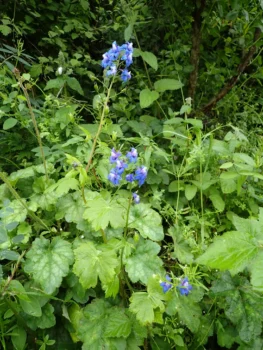
Baker’s delphinium is a herbaceous perennial forb that produces the classic tall flower spikes delphiniums are famous for. Like its garden cousins, this native beauty showcases gorgeous blue to purple blooms that create striking vertical accents in any landscape. As a true California endemic, it represents millions of years of evolution perfectly adapted to local conditions.
Where Does It Call Home?
This rare delphinium is found exclusively in California, with its native range concentrated in the North Coast and San Francisco Bay Area regions. It’s a true California original—you won’t find this species growing wild anywhere else in the world.
- Species observed
- No observations
A Plant in Peril: Understanding Its Rarity
Here’s where things get serious: Baker’s delphinium carries a Global Conservation Status of S1, meaning it’s critically imperiled. In the United States, it’s officially listed as Endangered. This classification indicates there are typically five or fewer known occurrences and very few remaining individuals—fewer than 1,000 plants total.
What does this mean for gardeners? If you’re considering growing Baker’s delphinium, you absolutely must source it responsibly from reputable native plant nurseries that propagate from legally collected seeds or cuttings. Never collect plants or seeds from wild populations—every individual counts when a species is this rare.
Garden Role and Landscape Uses
When grown successfully, Baker’s delphinium serves as an excellent:
- Vertical accent plant for native gardens
- Background specimen in mixed native plantings
- Conservation showcase in specialized botanical collections
- Educational focal point about California’s rare flora
Growing Conditions and Care
As a California native adapted to Mediterranean climate conditions, Baker’s delphinium likely thrives in:
- USDA Hardiness Zones 8-10
- Well-draining soils that don’t stay soggy
- Partial shade to full sun exposure
- Low to moderate water once established
Like most delphiniums, this species probably prefers cooler conditions and may struggle in extremely hot, dry locations even within its native range.
Pollinator and Wildlife Benefits
True to its delphinium heritage, Baker’s delphinium likely attracts native pollinators including specialized bees and possibly hummingbirds. Supporting rare native plants like this helps maintain the intricate web of relationships between California’s native flora and fauna.
Should You Grow Baker’s Delphinium?
Growing Baker’s delphinium isn’t a decision to take lightly. If you’re an experienced native plant gardener committed to conservation, sourcing plants responsibly, and potentially participating in seed collection for conservation efforts, this could be a meaningful addition to your garden. However, beginners might want to start with more common delphinium species or other native California wildflowers.
Consider Baker’s delphinium if you:
- Have experience growing challenging native plants
- Can source plants from reputable conservation-minded nurseries
- Want to contribute to conservation efforts
- Have appropriate growing conditions
The Bottom Line
Baker’s delphinium represents both the beauty and fragility of California’s native plant heritage. While it can make a stunning addition to the right garden, growing it comes with the responsibility of supporting conservation rather than contributing to further decline. If you do choose to grow this rare beauty, you’ll be joining a small but dedicated community of gardeners helping ensure this species survives for future generations.
Remember: with great plants comes great responsibility—especially when they’re as rare and precious as Baker’s delphinium.