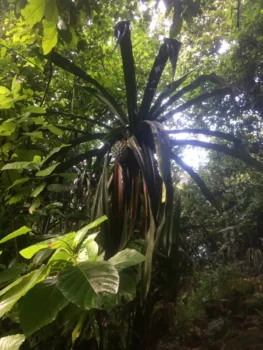
Bakong: A Majestic Pacific Native for Tropical Gardens
If you’re looking to add some serious tropical drama to your landscape, let me introduce you to bakong (Pandanus dubius) – a stunning native tree that’s been gracing Pacific islands for centuries. This isn’t your average backyard tree, but for the right gardener in the right climate, it’s an absolute showstopper.
What Makes Bakong Special?
Bakong is a perennial tree native to the Pacific Basin, specifically thriving in Guam and Palau. You might also see it listed under several scientific synonyms, including Pandanus compressus Martelli and Pandanus pacificus Veitch ex Masters, but they’re all referring to the same magnificent plant.
This tree is part of the fascinating Pandanus family, known for their architectural beauty and unique growth patterns. What sets bakong apart is its impressive stature – we’re talking about a tree that can tower over 13-16 feet tall, creating a bold statement in any landscape where it’s happy.
- Species observed
- No observations
The Look: Pure Tropical Elegance
Picture long, sword-like leaves arranged in dramatic spirals around the trunk, creating an almost sculptural effect. As the tree matures, it develops characteristic aerial prop roots that add to its exotic appearance. It’s the kind of plant that makes visitors stop and stare – definitely a conversation starter!
Is Bakong Right for Your Garden?
Here’s the thing about bakong – it’s incredibly specific about where it wants to live. This beauty is only going to thrive in USDA hardiness zones 10-12, which means we’re talking true tropical climates only. If you live somewhere that even occasionally dips below about 50°F, this isn’t the tree for you.
But if you’re blessed with a warm, tropical climate year-round, bakong can be an fantastic choice for:
- Large residential properties with space for a substantial tree
- Tropical garden designs
- Coastal landscaping projects
- Creating dramatic focal points
- Specimen plantings where you want something truly unique
Growing Bakong Successfully
The key to happy bakong is thinking like a Pacific islander. This tree wants conditions that mimic its native habitat:
Light: Full sun to partial shade works well, though it tends to develop the most impressive form in bright conditions.
Soil: Well-draining soil is absolutely critical. These trees hate having wet feet, so avoid areas where water tends to pool.
Water: Regular watering during establishment, then moderate irrigation once established. Think consistent moisture without waterlogging.
Space: Give this tree plenty of room to spread out. Remember, you’re dealing with a substantial plant that can grow quite large.
Planting and Care Tips
When planting bakong, choose your location carefully – this isn’t a tree you’ll want to move later! Plant in spring when temperatures are consistently warm, and be patient during establishment. These trees can take their time getting settled, but once they do, they’re relatively low-maintenance.
Protect young trees from strong winds, which can damage the distinctive leaves. A little shelter while they establish their root system goes a long way.
The Bottom Line
Bakong is definitely a niche plant – it requires a specific climate and plenty of space. But for tropical gardeners who can accommodate its needs, it offers something truly special: a chance to grow a genuine Pacific native that brings authentic island beauty to your landscape.
If you’re not in the right climate zone for bakong, don’t worry! Consider exploring other native plants from your region that can provide similar architectural interest and ecological benefits. Your local native plant society can point you toward species that will thrive in your specific conditions while supporting local wildlife.