Bald Cypress: The Majestic Water-Loving Giant for Your Landscape
Meet the bald cypress (Taxodium distichum), a true southern gentleman of the tree world that’s been gracing American wetlands for millions of years. Don’t let the name fool you – this isn’t your typical evergreen cypress. This deciduous conifer puts on quite the seasonal show, sporting lush green foliage in summer that transforms into stunning rusty-orange hues before gracefully dropping in fall.
A True American Native
The bald cypress is a proud native of the lower 48 states, naturally occurring across an impressive range that spans 23 states. You’ll find these magnificent trees growing wild from the swamps of Florida to the bottomlands of Illinois, and from the Carolinas west to Texas. This extensive native range speaks to the tree’s adaptability and ecological importance across diverse American landscapes.
- Species observed
- No observations
Why You’ll Fall in Love with Bald Cypress
What makes bald cypress such a garden showstopper? Let’s count the ways:
- Stunning seasonal interest: Soft, feathery foliage that changes from bright green to rusty-brown
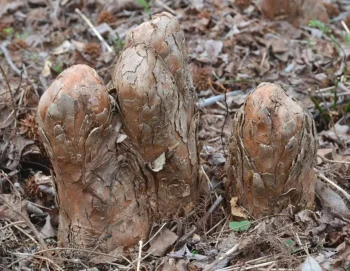
- Unique character features: Develops distinctive knees (root projections) in wet conditions
- Impressive size: Can reach up to 130 feet tall at maturity with a beautiful conical shape when young
- Rapid growth: Fast-growing, potentially reaching 45 feet in just 20 years
- Exceptional longevity: These trees can live for centuries, becoming true family heirlooms
- Beautiful bark: Attractive fibrous, reddish-brown bark adds winter interest
Perfect Garden Situations
Bald cypress truly shines in specific landscape scenarios. This tree is your go-to choice for:
- Areas with poor drainage or seasonal flooding
- Rain gardens and bioswales
- Large residential properties with ample space
- Naturalized landscapes near ponds or streams
- Parks and public spaces requiring low-maintenance shade trees
However, think twice about planting bald cypress if you have a small yard or limited space – these giants need room to spread their impressive canopy!
Growing Conditions: Water is Key
Here’s where bald cypress gets interesting – it’s classified as an Obligate Wetland plant across all regions of the United States. This means it almost always occurs in wetlands and thrives in conditions that would stress many other trees.
For successful cultivation, provide:
- Moisture: Consistently wet to moist soil; can tolerate seasonal flooding
- Soil pH: Acidic conditions between 4.5-6.0
- Sunlight: Full sun to partial shade (intermediate shade tolerance)
- Soil texture: Adaptable to coarse, medium, or fine-textured soils
- Climate: Thrives in USDA hardiness zones 4-10, with at least 160 frost-free days
Planting and Care Tips
Ready to welcome a bald cypress into your landscape? Here’s how to ensure success:
- Timing: Plant in spring after the last frost
- Location: Choose the wettest spot in your yard, ideally near a water feature
- Space: Allow plenty of room – mature trees can spread significantly
- Watering: Keep soil consistently moist, especially during establishment
- Fertilizing: Medium fertility requirements; avoid over-fertilizing
- Pruning: Minimal pruning needed due to naturally good form
- Propagation: Can be grown from seed (cold stratification required) or purchased as container plants
Wildlife and Environmental Benefits
While bald cypress flowers aren’t showy (they’re wind-pollinated rather than insect-pollinated), these trees provide significant wildlife habitat. The dense summer foliage offers nesting sites for birds, while the seeds provide food for waterfowl and other wildlife. In wetland settings, bald cypress creates crucial habitat for countless species.
Is Bald Cypress Right for Your Garden?
Bald cypress is an excellent choice if you have the right conditions – namely, a wet or frequently flooded area and plenty of space. This native beauty offers year-round interest, requires minimal care once established, and supports local ecosystems. However, it’s not suitable for dry sites or small spaces.
Consider bald cypress if you want a statement tree that celebrates American native flora while providing decades of beauty and wildlife habitat. Just remember: this is a tree for patient gardeners who think in decades rather than seasons – but the wait is absolutely worth it!