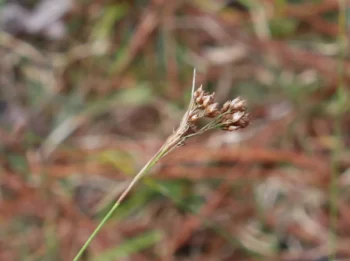
Baldwin’s Beaksedge: A Hidden Gem for Wetland Gardens
If you’re looking to create a truly authentic southeastern wetland garden, meet Baldwin’s beaksedge (Rhynchospora baldwinii) – a humble but important native sedge that’s been quietly doing its job in coastal wetlands for centuries. This unassuming grass-like plant might not win any beauty contests, but it’s a champion when it comes to ecological function and low-maintenance gardening.
What is Baldwin’s Beaksedge?
Baldwin’s beaksedge is a native sedge that belongs to the diverse Cyperaceae family. Don’t let the grass-like description fool you into thinking it’s ordinary – sedges are fascinating plants that play crucial roles in wetland ecosystems. This particular species can be either annual or perennial, adapting to the conditions it finds itself in.
As a member of the sedge family, Baldwin’s beaksedge has that characteristic triangular stem that distinguishes sedges from true grasses. Remember the old botanical saying: sedges have edges – and this one certainly does!
Where Does It Naturally Grow?
Baldwin’s beaksedge is a true southerner, naturally occurring across the southeastern United States. You’ll find it thriving in Alabama, Florida, Georgia, Louisiana, Mississippi, North Carolina, and South Carolina. It’s particularly at home in the Atlantic and Gulf Coastal Plain regions, where it has earned the wetland status of Facultative Wetland – meaning it usually hangs out in wet areas but can occasionally tolerate drier conditions.
- Species observed
- No observations
Should You Plant Baldwin’s Beaksedge?
Here’s the thing about Baldwin’s beaksedge – it’s not going to be the star of your flower bed, but it could be the perfect supporting actor in the right setting. This plant shines in specific scenarios:
- Wetland restoration projects: If you’re working to restore natural wetland areas, this species is invaluable
- Rain gardens: Its tolerance for both wet and occasionally dry conditions makes it ideal for managing stormwater
- Naturalized landscapes: Perfect for creating authentic southeastern ecosystems
- Wildlife habitat gardens: While the flowers aren’t showy, the seeds provide food for various bird species
Skip it if: You’re looking for ornamental appeal, colorful flowers, or a plant for formal garden settings. Baldwin’s beaksedge is all about function over form.
Growing Conditions and Care
The beauty of Baldwin’s beaksedge lies in its simplicity. This is a plant that knows what it wants and doesn’t ask for much fuss:
- USDA Hardiness Zones: 8-10 (perfect for its native southeastern range)
- Light requirements: Full sun to partial shade – it’s pretty flexible
- Soil needs: Moist to wet soils with good organic content; prefers slightly acidic conditions
- Water requirements: Consistent moisture is key, though it can handle occasional dry spells
Planting and Care Tips
Once you’ve decided that Baldwin’s beaksedge fits your garden goals, here’s how to give it the best start:
- Site selection: Choose the wettest spot in your garden – think low-lying areas or spots that stay damp after rain
- Soil preparation: Amend heavy clay soils with organic matter to improve drainage while maintaining moisture retention
- Planting: Seeds can be direct-sown in fall or early spring, or you can propagate by division if you have access to established plants
- Maintenance: Virtually none once established – this is a true plant it and forget it species
- Companion planting: Pairs beautifully with other native wetland plants like cardinal flower, blue flag iris, or swamp milkweed
The Bottom Line
Baldwin’s beaksedge isn’t flashy, but it’s the kind of reliable, hardworking plant that forms the backbone of healthy wetland ecosystems. If you’re passionate about native plant gardening, restoration work, or creating habitat for wildlife, this little sedge deserves a spot in your plant palette. Just remember – it’s all about choosing the right plant for the right place, and for wet, naturalized areas in the Southeast, Baldwin’s beaksedge is definitely the right choice.
While it may never grace the cover of a gardening magazine, your local birds (and the environment) will thank you for including this humble but important native in your landscape.